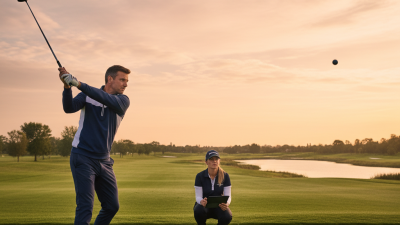
Learning how to play golf begins with curiosity, not expensive equipment or a perfect swing. A beginner needs a club, a few balls, comfortable shoes, and a safe place to practice. The driving range is often less intimidating than a busy course. There, you can notice how the clubface meets the ball and how small grip changes affect direction.
Start with the basics: stance, grip, alignment, and balance. Keep your feet about shoulder-width apart. Let your arms hang naturally. Aim the clubface before trying to hit harder. A smooth half-swing usually teaches more than a wild drive. It may feel too gentle at first. That is normal.
Golf sports psychologist Dr. Bob Rotella offers a useful perspective: “Golf is not a game of good shots. It’s a game of bad shots.” Beginners should expect missed putts, topped balls, and shots that travel only a few yards. These moments are not failures; they reveal what needs practice. Still, this guide should not replace lessons from a qualified PGA professional, especially when developing safe technique and learning course etiquette.
You will explore how to choose beginner-friendly clubs, warm up effectively, and understand basic scoring. You will also learn when to use a putter, wedge, or iron. Course safety matters just as much as distance. Wait for the group ahead, announce uncertain shots, and repair your divots when appropriate. Your first round may feel slow and awkward. That is part of the experience. Play golf patiently, observe each shot, and let consistency develop over time.

Golf becomes easier when beginners understand its purpose: complete each hole with the fewest strokes. A round usually has 18 holes, though shorter courses are useful for practice. Each hole begins from a teeing area and ends when the ball rests in the hole. Count every stroke, including a missed swing if the club moves forward intentionally. That rule surprised me during my first round.
A basic set needs a driver or wood, several irons, a wedge, and a putter. You also need golf balls and small tees. A glove can improve grip, but it is optional. Each club creates a different ball flight, so beginners should practice short shots before chasing distance. I once used too much force near the green and sent the ball far beyond it. Control matters more.
The central rule is simple: play the ball as it lies and avoid improving its position. If a ball enters a penalty area or goes out of bounds, the rules usually require a penalty stroke and a specified drop or replay. Local course rules may change these options, so read the notice before playing. Keep quiet during another player’s swing, stand outside the ball’s path, and allow the farthest ball to be played first. Safety comes before speed. Mistakes are normal, but guessing at rules can create unfair scores.
A reliable golf swing begins with a comfortable grip, not a tight one. Place the club across your fingers, then wrap your lead hand around it. The thumb should point slightly toward your back shoulder. Rest the trail hand beneath it, with both hands working as one unit. Your palms should not squeeze. A firm grip often creates tense wrists and a weak release. I still catch myself gripping harder when a shot feels important.
Your stance gives the swing a stable starting point. Stand with feet about shoulder-width apart and soften your knees. Keep your back straight, but let your hips bend naturally. The ball should sit slightly forward for longer clubs and closer to the center for shorter clubs. Align your feet, hips, and shoulders with the target line. Use a club on the ground to check alignment. It feels strange at first.
Begin the swing by turning your shoulders, rather than lifting the arms alone. Keep your balance while the club moves back. Then shift pressure toward the lead foot and let the hips rotate through impact. Do not chase speed immediately. A smooth half-swing teaches better contact than a rushed full swing. Some missed shots are useful evidence. If the ball travels weakly right, check your grip and open stance before changing everything. Practice slowly, and watch where the club touches the grass.
A beginner’s golf practice should include more than repeated full swings. Start with a half-swing using a short iron, keeping your chest steady and your finish balanced. Make ten controlled shots toward a wide target. Notice the ball’s flight, not just its distance. A weak slice often begins with an open clubface, but rushing the downswing can make the problem worse.
Short-game practice builds confidence quickly. From just off the green, use a putting-style stroke with a slightly lofted club. Land the ball on the front edge of the green, then let it roll toward the hole. Practice from different grass lengths and small slopes. For bunker shots, open the clubface, enter the sand behind the ball, and keep moving through the shot. The splash should feel soft, not forced.
Putting deserves quiet attention. Place three balls around a hole, each from a different angle, and read the slope before every stroke. Keep your eyes over the ball and allow the shoulders to control the motion. I sometimes focus too much on mechanics and lose my sense of distance. That mistake is useful, because poor speed control becomes obvious. Record a few practice sessions and review the misses honestly. Ten focused minutes can reveal more than an hour of careless swings.
A practical beginner practice guide covering fundamental golf shots, short-game skills, recommended drills, and realistic practice targets. Distances are approximate and vary according to technique, equipment, weather, and individual strength.
| Practice Area | Basic Objective | Typical Beginner Range | Key Technique | Recommended Drill | Practice Target | Common Mistake |
|---|---|---|---|---|---|---|
| Putting | Start the ball on the intended line and control distance. | Putts from 3–10 feet | Keep the eyes steady, use a relaxed grip, and make a smooth shoulder-driven stroke. | Place three balls at 3, 5, and 7 feet. Repeat the set while aiming at a small target. | Hole at least 6 of 10 putts from 5 feet. | Hitting the putt too hard or steering the putter with the hands. |
| Lag Putting | Finish long putts close to the hole and avoid three-putts. | 20–40 feet | Focus first on speed, then on direction. Use the length of the backswing to control distance. | Create a 3-foot circle around a hole and roll 10 balls toward it from different distances. | Finish 7 of 10 balls inside the 3-foot circle. | Trying to hole every long putt instead of controlling speed. |
| Chipping | Get the ball onto the green quickly and roll it toward the hole. | 5–25 yards | Use a narrow stance, position the ball slightly back, and keep the hands slightly ahead at impact. | Chip with different clubs to compare carry and roll, such as a wedge, 9-iron, and 7-iron. | Place 6 of 10 chips within a 6-foot radius of the hole. | Scooping the ball into the air or decelerating through impact. |
| Pitching | Carry the ball farther than a chip while maintaining control. | 20–50 yards | Use a controlled partial swing, stable lower body, and consistent finish. | Hit 10 balls using half swings, alternating between 20-, 30-, and 40-yard targets. | Keep 6 of 10 shots within 10 yards of the selected target. | Using a full swing for every distance or changing tempo. |
| Bunker Shot | Escape the sand consistently and land the ball safely on the green. | 10–25 yards | Open the clubface, take a wider stance, and enter the sand about 1–2 inches behind the ball. | Draw a line in the sand and practice splashing sand onto the green without a ball. | Escape the bunker successfully 7 times out of 10. | Trying to lift the ball with the hands or striking the ball first. |
| Iron Shot | Make consistent contact and launch the ball toward a target. | 7-iron: approximately 90–140 yards | Use balanced posture, rotate through the shot, and contact the ball before the ground. | Begin with half swings, then progress to three-quarter swings while recording carry distance. | Make solid contact on 7 of 10 attempts. | Trying to hit harder, causing poor balance and inconsistent contact. |
| Fairway Wood | Advance the ball efficiently from the fairway or a clean lie. | Approximately 130–190 yards | Position the ball slightly forward and sweep through impact without trying to lift it. | Start with tee-free shots from a flat mat or fairway lie using smooth swings. | Send 6 of 10 shots toward a selected fairway-width target. | Using excessive effort and hitting behind the ball. |
| Driver | Develop a repeatable tee shot with a predictable starting direction. | Approximately 130–210 yards for many beginners | Tee the ball high enough, position it near the front heel, and maintain balance through the finish. | Use a 60–70% swing first, focusing on center contact and a stable finish. | Keep 6 of 10 drives within a chosen fairway corridor. | Swinging at maximum speed before developing control. |
| Alignment | Aim the clubface and body correctly before every shot. | All shot types | Choose a small target in front of the ball, align the clubface first, then set the feet and shoulders. | Lay two alignment sticks on the ground to create a target line and stance line. | Complete 10 setups with the clubface aimed within a small target window. | Aligning the body to the target while leaving the clubface open or closed. |
| Pre-Shot Routine | Make each shot more consistent under practice and playing conditions. | Before every shot | Assess the lie, select a specific target, take one practice motion, align the clubface, and swing without delay. | Use the same four-step routine for 20 consecutive practice shots. | Complete the routine consistently and commit to every target. | Taking too many practice swings or changing the decision over the ball. |
How to Play Golf for Beginners
Following Proper Course Etiquette and Playing Your First Round
Golf feels less intimidating when etiquette becomes part of your preparation. A 2024 National Golf Foundation report recorded 41.1 million American golfers in 2023, including 28.1 million who played on-course. New players are common. Feeling nervous is normal.
Arrive 20 to 30 minutes early. Check your tee time, carry enough balls, and silence your phone. Wear comfortable clothes and shoes with stable soles. At the first tee, introduce yourself and ask about local procedures. Let faster groups play through when you are clearly holding them up. Keep conversation quiet during another player's swing. Watch where every ball lands, even after a poor shot.
Repair pitch marks on greens. Replace or smooth your divots when possible. Rake bunkers carefully, including footprints near your exit. Stand safely outside another golfer's line of play. Do not walk across someone's putting line. Keep your bag or cart away from the green's edge. Small details matter.
The R&A’s 2024 participation report counted 66.6 million on-course golfers worldwide in 2023. That growth reflects golf's broad appeal, but pace remains a shared responsibility. Aim to complete nine holes comfortably before attempting eighteen. I still lose time searching for ambitious shots. A sensible beginner should set a short search limit, pick up when appropriate, and record the lesson rather than the embarrassment.
Learning golf begins with repeatable contact, not perfect distance. The 2023 U.S. Golf Participation Report recorded 26.6 million on-course golfers. Beginners therefore enter a crowded learning curve. Practice should be measurable. Hit 30 short putts, then record makes from three feet. Move to chip shots before full swings. This sequence builds control around the green, where poor contact is easier to diagnose. Use one technical goal per session. My common mistake is changing grip, stance, and tempo together. That creates confusion, not improvement.
Tips: Keep a small practice log. Note the club, target, result, and one feeling. Film two swings from side and front views. Ask a qualified instructor to identify one priority, not five. Personal feedback should explain both cause and correction. A launch monitor can provide useful numbers, but numbers still need context. If the ball starts right, check face angle before rebuilding your entire swing. Leave room for doubt.
A 2024 global participation report estimated more than 66 million golfers worldwide. Efficient practice matters when time is limited. During nine holes, choose safer targets and plan each shot backward from the hole. Record penalties, missed greens, and short putts. These details reveal strategy problems that swing practice may hide. I still overestimate difficult shots sometimes. That error is useful when I examine it honestly. After each round, select one decision to repeat and one decision to question. Practice with purpose, then test it on the course.
A balanced 60-minute practice session gives beginners time to build reliable technique, improve short-game control, and review personal performance.
The session is divided into five practical areas: warm-up, full-swing practice, short-game practice, putting, and personal feedback. Tracking results after each session helps identify weaknesses and adjust the next practice plan.
Newsletter SignupUpcoming events, promo offers, member exclusives and more.
Golf Fanatics is a Chrysalis Enterprises Company owned by a group of like-minded individuals who share a common passion and affinity for golf, investing in successful Small-Medium-Enterprises, creating rewarding employment opportunities and being good industry participants and corporate citizens.
Monday
Tuesday
Wednesday
Thursday
Friday
Saturday
Sunday
9 a.m. – 10 p.m.
8 a.m. – 10 p.m.
8 a.m. – 10 p.m.
8 a.m. – 10 p.m.
8 a.m. – 11 p.m.
8 a.m. – 11 p.m.
8 a.m. – 9 p.m.
Copyright © 2025 · Golf Fanatics is a division of Chrysalis Golf Ventures Inc.
7100 15th St SE, Calgary AB
This site is protected by reCAPTCHA and the Google Privacy Policy and Terms of Service apply.
Need help? Call our support 24/7

Just a few things before you book…
While Toptracer Range technology and our automated ball dispensers are 99% reliable, there are rare instances when they do not function properly, especially during periods of inclement weather.
Please note that we do not guarantee the reliability of these services during any booking and will not provide you with a refund or credit if they do not function properly during your booking, therefore booking our services is fully at your discretion.
By booking our services, you acknowledge full responsibility for the cost of any intentional or unintentional damages to any Golf Fanatics or neighboring property and equipment caused by you or your guests during your booking.
You and your guests hereby agree to indemnify Golf Fanatics from any liabilities associated with any personal injury incurred by you or your guests during your booking.