Choosing golf range equipment is a business decision, not merely a shopping exercise. Every bay, target, mat, and ball affects customer experience, operating costs, and long-term revenue. A reliable golf range should feel organized from the first step. Customers notice uneven mats, damaged baskets, poor lighting, and slow ball collection.
The right equipment depends on your location, customer profile, climate, and daily booking volume. A compact practice facility may need durable mats, efficient ball dispensers, accurate distance markers, and simple maintenance tools. A high-traffic golf range may require automated tee systems, tracking technology, weather-resistant furniture, and commercial-grade lighting. Review product specifications carefully. Ask suppliers about warranty coverage, replacement parts, installation support, and expected service life. Demonstrations can reveal problems that brochures hide.
There is no perfect setup. Even experienced operators can underestimate cleaning time, storage space, or staff training. A cheaper ball picker may look attractive, but frequent repairs can quietly reduce profits. Equipment should be judged by total ownership cost, not only its purchase price. Independent reviews, supplier references, and feedback from range managers can strengthen the decision. Safety deserves equal attention, especially around netting, moving machinery, electrical systems, and customer walkways. Small details matter.
This guide explains how to compare golf range equipment with practical business criteria. It focuses on durability, usability, maintenance, customer value, and responsible investment. Some recommendations may need adjustment. Your facility, budget, and local conditions remain decisive.
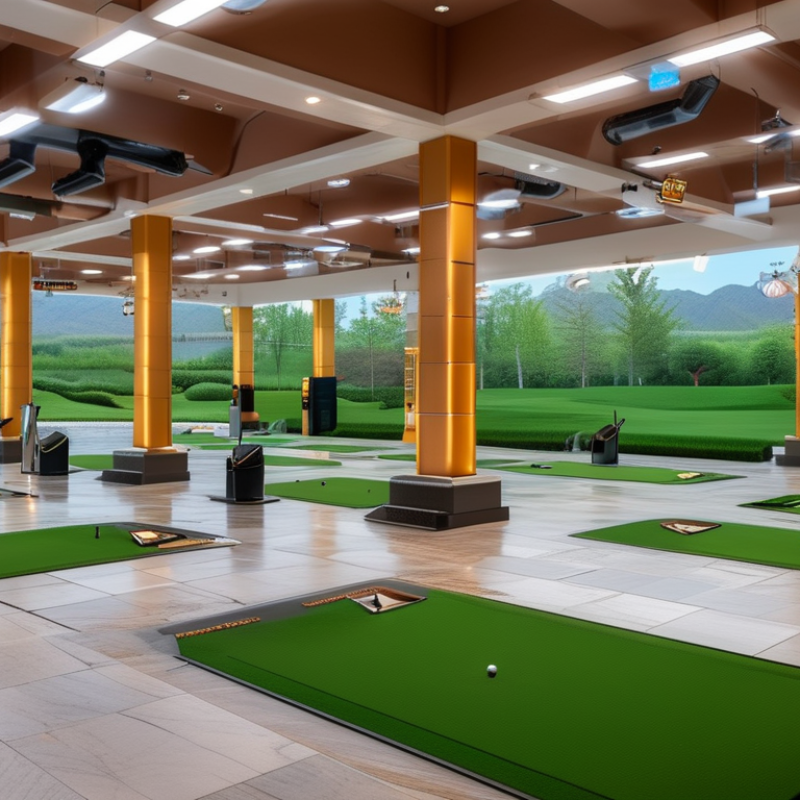
Understanding your golf range business needs should come before purchasing equipment. A busy urban range may need compact, durable bays, while a resort range may prioritize comfort and teaching tools. The National Golf Foundation reported 28.1 million U.S. on-course golfers in 2023. The R&A’s Global Golf Participation Report 2023 recorded 66.6 million golfers across surveyed markets. These figures suggest demand, but they do not define your customers.
Study your operating pattern. Count peak-hour arrivals, average basket size, lesson bookings, and equipment damage. Watch the first ten minutes of a customer visit. Do beginners struggle with ball loading or club selection? Do experienced players wait for targets? A practical equipment plan should connect each problem with a measurable solution. Ball dispensers, tracking systems, lighting, mats, and protective netting must match traffic volume. A cheaper mat can reduce initial costs, yet frequent replacement may weaken margins. I have seen operators overvalue advanced features and undervalue simple maintenance access. That mistake deserves attention.
Tips: Set a 12-month equipment budget. Separate purchase costs from cleaning, repairs, software, and energy use. Test one bay during peak hours before expanding. Record downtime carefully. Compare customer feedback with actual usage data. Industry reports have limitations, so local evidence should guide final decisions. Your range may not need the most sophisticated setup. It needs reliable equipment that fits real behavior.
The chart compares the practical importance of key equipment categories when planning a commercial golf range. Safety, operating reliability, customer experience, and long-term maintenance should be evaluated together with the expected range capacity and daily usage.
Planning benchmark: scores are rated from 0 to 100, where a higher score indicates greater importance during equipment selection. Actual priorities should be adjusted according to site size, customer volume, climate, operating hours, and maintenance resources.
Choosing golf range equipment starts with the customer journey, not the catalogue. The R&A’s 2023 Global Golf Participation Report recorded 66.6 million golfers worldwide. That growth increases pressure on practice facilities. Begin with durable hitting mats, consistent range balls, protective netting, and clear bay dividers. Safety comes first. Select mats with stable bases and replaceable hitting surfaces. Cheap mats often shift after repeated swings, creating trip hazards and uneven feedback.
Ball delivery and collection equipment also shape operating efficiency. Ball dispensers should match peak-hour demand and support simple payment controls. A reliable picker, washer, and storage system can reduce manual handling. The National Golf Foundation reported 531 million rounds played in the United States during 2023. That figure suggests strong usage potential, but range traffic still varies by weather, season, and local income. Oversizing equipment may waste capital. Underbuying creates queues.
Technology deserves careful assessment. Launch monitors, automated scoring, and target tracking can increase engagement, especially in coaching bays. However, digital features require stable lighting, network coverage, calibration, and staff training. The Golf Datatech participation reports show continued interest in off-course golf activities, yet participation does not guarantee technology adoption at every site. Test one bay before equipping the entire range. I have seen attractive systems underused because their interfaces felt complicated. Keep spare cables, replacement nets, and basic tools onsite. Maintenance is not glamorous. It protects revenue.
Choosing golf range equipment starts with performance under repeated use. During site evaluations, I check ball-flight consistency, target alignment, and visible wear after busy sessions. A quality machine should deliver stable distances, clean contact, and predictable adjustments. Ask for test data, not attractive promises. Measure noise, power use, and recovery time between shots. These details affect staff workload and customer experience.
Features should solve real operating problems. Adjustable launch angles, simple controls, weather-resistant housings, and accessible safety shutoffs support daily use. Digital tracking can improve practice feedback, but only when readings are clear and calibrated. Complex software may impress buyers and frustrate attendants. I once valued extra functions too highly. Some remained unused after installation. That mistake changed my buying checklist. Request training materials, spare-part availability, and documented maintenance intervals before signing an order.
Tips: Compare at least three units in identical conditions. Inspect seams, wheels, cables, and fasteners closely. Ask how performance changes after heavy seasonal use. Review warranty limits and service response times in writing. Keep a replacement budget for consumable parts. A durable unit is not always the cheapest. It may reduce interruptions. Still, durability claims need evidence, and a short demonstration cannot reveal every weakness. Leave room for honest uncertainty.
| Equipment Category | Typical Commercial Specification | Quality Indicators | Useful Features | Expected Service Life | Maintenance Considerations | Business Suitability |
|---|---|---|---|---|---|---|
| Automatic Ball Dispenser | Approximately 100–300 balls; adjustable feed rate of about 5–15 balls per minute | Powder-coated steel housing, reinforced hopper, stable base, and consistent ball delivery | Adjustable intervals, remote control, low-ball warning, emergency stop, and programmable sessions | 5–10 years under commercial use when inspected and serviced regularly | Remove debris, inspect belts and sensors, lubricate moving parts where specified, and protect electronics from moisture | High-volume driving ranges, golf academies, and self-service facilities |
| Ball Picker | Collection capacity commonly around 300–600 balls per operating cycle | Heavy-duty frame, corrosion-resistant components, protected bearings, and impact-resistant collection parts | Adjustable collection width, quick-release basket, protective guards, and compatibility with utility vehicles | 4–8 years, depending on ground conditions, operating hours, and collision exposure | Clear mud and grass after use, check wheel alignment, tighten fasteners, and replace worn collection fingers | Busy ranges requiring frequent and efficient ball recovery |
| Ball Washer | Typically processes approximately 100–300 balls per minute, depending on cleaning condition | Stainless or treated metal tank, durable brushes, sealed drive components, and easy-drain construction | Automatic detergent dosing, adjustable brush pressure, water-level indicator, and removable brush assembly | 5–10 years with regular cleaning and timely brush replacement | Change water as needed, remove sand and grass, inspect brushes, and prevent chemical buildup | Facilities that reuse balls frequently or operate in wet and muddy conditions |
| Ball Dispensing Machine | Usually supports 30–80 balls per dispensing cycle with token, card, or digital payment options | Anti-vandal enclosure, jam-resistant mechanism, weather protection, and secure access panels | Cashless payment, inventory monitoring, adjustable ball quantities, usage reports, and remote alerts | 5–8 years in outdoor commercial environments with appropriate weather protection | Inspect dispensing channels, clean dust and debris, test payment hardware, and check door seals | Self-service ranges and operations seeking to reduce counter workload |
| Golf Ball Vending Machine | Storage capacity generally ranges from 500 to 2,000 balls, depending on cabinet size | Commercial-grade payment system, reinforced cabinet, reliable motors, and accessible service points | Contactless payment, receipt options, stock-level alerts, multilingual display, and transaction logging | 5–10 years, subject to transaction volume and exposure to weather or vandalism | Clean payment terminals, inspect dispensing motors, update software, and check electrical protection | Large venues with limited staffing or extended operating hours |
| Golf Mat | Common commercial thickness is approximately 15–35 mm, including the base and artificial turf layer | High-density shock pad, UV-resistant fibers, non-slip backing, drainage capability, and reinforced edges | Replaceable hitting insert, tee openings, alignment markings, shock absorption, and modular sections | 2–6 years for the hitting surface; longer for the structural base when protected | Rotate high-use areas, brush fibers, remove trapped debris, keep the surface level, and replace worn inserts | All ranges, especially those with high daily hitting volume |
| Golf Net | Typical practice nets use knotless or knotted mesh with approximately 2.5–4.5 mm twine thickness | UV-stabilized netting, reinforced perimeter, high-strength cables, and professionally anchored support posts | Replaceable panels, ball-return design, wind-rated structure, side protection, and modular installation | 3–8 years for netting; support structures may last 10 years or more with proper protection | Inspect for tears, check tension and anchors, remove accumulated debris, and examine storm damage | Compact sites, warm-up areas, teaching zones, and facilities near property boundaries |
| Distance Marker | Common marker intervals are 25, 50, or 100 yards, depending on the range layout | UV-resistant graphics, weatherproof substrate, stable anchoring, and high-contrast lettering | Reflective surfaces, double-sided visibility, replaceable panels, and metric-imperial measurements | 5–10 years, depending on sunlight, wind, moisture, and landscaping activity | Clean surfaces, tighten fixings, repaint damaged supports, and replace faded or cracked panels | Every driving range where players need clear distance references |
| Range Lighting | Commercial LED systems commonly provide approximately 100–300 lux in active practice areas, subject to design | Weatherproof housings, corrosion-resistant poles, stable color output, and documented photometric performance | Dimming, zone control, timers, glare reduction, automatic fault alerts, and energy monitoring | LED fixtures often provide 50,000–100,000 rated operating hours, depending on thermal conditions | Clean lenses, inspect wiring and mounts, test controls, and arrange periodic electrical safety checks | Evening operations, winter facilities, and ranges requiring extended opening hours |
| Ball-Tracking or Launch-Monitor System | Measures selected parameters such as ball speed, launch angle, carry distance, spin, and club data | Stable calibration, repeatable readings, weather protection, fast processing, and documented measurement tolerances | Multiple user profiles, lesson modes, shot history, network integration, display screens, and software updates | 3–7 years before major hardware or software upgrades may be required | Keep sensors clean, verify alignment, update software, protect cables, and recalibrate according to usage | Premium ranges, coaching centers, entertainment venues, and data-focused training businesses |
Note: Specifications and service-life figures are typical commercial planning ranges. Actual performance depends on usage volume, climate, installation quality, maintenance frequency, and local operating conditions.
How to Choose Golf Range Equipment for Your Business?
Planning Your Budget, Space, and Installation Requirements
Choosing golf range equipment starts with a realistic budget, not a catalog wishlist. In projects I have assessed, installation often costs more than expected. Set separate allowances for equipment, flooring, electrical work, lighting, software, and maintenance. Keep 10 to 15 percent for surprises. It sounds cautious. It is necessary. A hitting bay may need cameras, protective netting, mats, targets, and seating. Compare lifetime operating costs, not only purchase prices. Cheap mats can wear quickly under heavy daily use. That lesson is easy to underestimate.
Measure every usable area before selecting equipment. Record ceiling height, bay width, depth, door clearance, and walking routes. A launch monitor may need a precise ball-flight zone. Indoor layouts require safe distances from walls and adjacent bays. Leave room behind players and beside the swing path. Staff should reach controls without crossing active play. Draw the layout at full scale. Tape it on the floor. This exposes cramped corners faster than a spreadsheet. I once approved a compact plan that looked efficient, but customer traffic felt awkward. The revision reduced one bay and improved movement.
Installation planning should include power loads, network access, ventilation, drainage, and surface leveling. Ask qualified technicians to inspect the site before delivery. Confirm anchor points and ceiling supports. Heavy screens and frames need stable mounting. Schedule installation during low-traffic hours, then test every sensor with real shots. Check glare, cable protection, calibration, and emergency shutoffs. Keep service access available. A polished setup can still fail operationally if cleaning blocks the hitting area. Revisit the budget after the site survey; early estimates are rarely perfect.
How to Choose Golf Range Equipment for Your Business?
Evaluating Suppliers, Maintenance, and Long-Term Value
A reliable supplier should offer more than attractive equipment prices. Ask for documented testing, installation guidance, spare-part availability, and clear warranty terms. Request references from facilities with similar daily usage. A busy commercial range can expose weaknesses quickly. Ask for proof. Speak with operators about delivery delays, response times, and recurring faults. Small details matter, such as cable protection, weather resistance, and accessible control panels.
Maintenance costs often shape profitability more than the initial purchase. Before signing, request a preventive maintenance schedule with inspection intervals and replacement recommendations. Confirm whether technicians can provide local support or remote diagnosis. Check how quickly essential parts can arrive. A machine sitting idle for two weeks can damage customer confidence. Keep service records, including fault codes, repair dates, and operating hours. These records help identify repeated problems and support warranty discussions.
Long-term value depends on durability, staff training, energy use, and upgrade flexibility. Compare the total cost over five years, not only the purchase invoice. Include installation, software updates, consumables, labor, and possible downtime. Equipment that looks inexpensive may become costly after frequent repairs. Yet, the most expensive option is not automatically the best choice. A practical evaluation should include a short site trial under realistic weather and traffic conditions. I would also leave room for doubt. Usage forecasts can be wrong, and some promised savings may never appear. Choose equipment that remains serviceable when plans change.
Newsletter SignupUpcoming events, promo offers, member exclusives and more.
Golf Fanatics is a Chrysalis Enterprises Company owned by a group of like-minded individuals who share a common passion and affinity for golf, investing in successful Small-Medium-Enterprises, creating rewarding employment opportunities and being good industry participants and corporate citizens.
Monday
Tuesday
Wednesday
Thursday
Friday
Saturday
Sunday
9 a.m. – 10 p.m.
8 a.m. – 10 p.m.
8 a.m. – 10 p.m.
8 a.m. – 10 p.m.
8 a.m. – 11 p.m.
8 a.m. – 11 p.m.
8 a.m. – 9 p.m.
Copyright © 2025 · Golf Fanatics is a division of Chrysalis Golf Ventures Inc.
7100 15th St SE, Calgary AB
This site is protected by reCAPTCHA and the Google Privacy Policy and Terms of Service apply.
Need help? Call our support 24/7

Just a few things before you book…
While Toptracer Range technology and our automated ball dispensers are 99% reliable, there are rare instances when they do not function properly, especially during periods of inclement weather.
Please note that we do not guarantee the reliability of these services during any booking and will not provide you with a refund or credit if they do not function properly during your booking, therefore booking our services is fully at your discretion.
By booking our services, you acknowledge full responsibility for the cost of any intentional or unintentional damages to any Golf Fanatics or neighboring property and equipment caused by you or your guests during your booking.
You and your guests hereby agree to indemnify Golf Fanatics from any liabilities associated with any personal injury incurred by you or your guests during your booking.