


How to Choose the Best Golf Fittings for Your Game?
Choosing the right golf fittings can change how confidently you address the ball, swing, and judge every approach shot. A suitable setup should match your swing, body measurements, playing goals, and typical course conditions. It should not simply copy what a professional golfer uses.
A qualified club fitter can examine launch angle, ball speed, spin rate, dispersion, and impact location. These numbers provide useful evidence, but they never tell the whole story. Your seven-iron may launch perfectly indoors yet behave differently on a windy fairway. Real swings matter. So does comfort.
During a proper session, expect practical questions about your usual misses and playing habits. A fitter may test different shaft weights, flex profiles, club lengths, lie angles, lofts, and grip sizes. Small changes can affect strike quality noticeably. A slightly flatter lie might reduce a left miss. A lighter shaft may increase speed, but not always control.
Feel is difficult to measure.
The best golf fittings combine technology with experienced observation. A reliable fitter should explain each recommendation, compare results, and avoid promising instant perfection. You may need more than one session, especially while changing your swing. That can feel inconvenient, but honest fitting accepts uncertainty.
It is also worth questioning impressive numbers. Extra distance is not automatically better if dispersion grows wider. A club that feels powerful on the mat may become tiring during eighteen holes. Your final choice should support repeatable contact, predictable ball flight, and long-term confidence. Reflect on your results after several rounds, then adjust carefully when necessary.
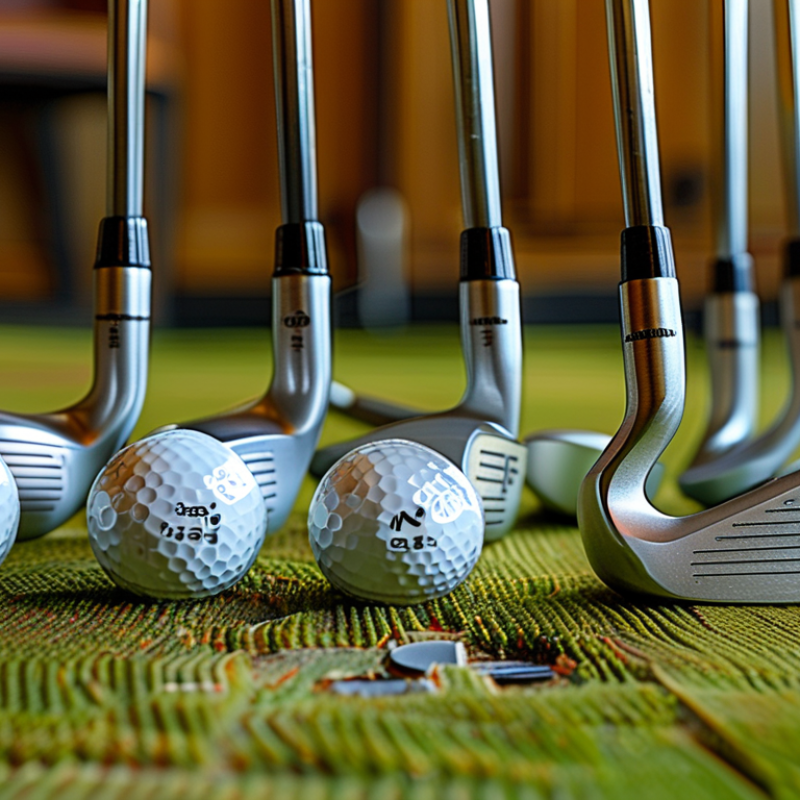
Understanding Golf Fitting and Its Role in Your Game
How to Choose the Best Golf Fittings for Your Game?
Understanding Golf Fitting and Its Role in Your Game
Golf fitting connects your equipment to your swing, body, and playing conditions. It is not simply choosing the most expensive club. A qualified fitter observes your setup, ball flight, impact location, and swing speed. They may also measure your height, wrist-to-floor distance, grip size, shaft profile, loft, and lie angle. These details reveal whether your equipment supports consistent contact.
Numbers help. Feel matters.
During a useful session, test several options rather than accepting one quick result. Hit shots from a mat, then compare them on turf when possible. Watch launch height, carry distance, dispersion, and strike pattern. A club that produces one impressive shot may perform poorly across ten swings. Your normal miss deserves attention too. A fitting should reduce harmful inconsistency, not hide it.
Fit is personal.
I have learned that launch-monitor data can still mislead when fatigue, nerves, or poor alignment affect the swing. The process is not perfectly tidy. Ask how each adjustment changes your ball flight. Record the settings and retest them after practice. A slightly shorter club may improve control, although it can reduce headline distance. A thicker grip may calm excessive hand action, but it may also change release timing. Honest feedback from the player remains essential throughout the fitting.
How to Choose the Best Golf Fittings for Your Game? - Understanding Golf Fitting and Its Role in Your Game
| Fitting Area | What Is Measured or Tested? | Why It Matters | Common Player Indicators | Useful Fitting Direction |
|---|---|---|---|---|
| Driver and Fairway Wood | Club speed, ball speed, launch angle, backspin, carry distance, total distance, attack angle, face angle, face-to-path relationship, and dispersion. | These variables influence launch efficiency, distance, shot shape, and the consistency of misses from the tee. | Low launch, excessive spin, frequent slices, inconsistent contact, or a large left-to-right dispersion pattern. | Test loft, shaft length, shaft weight, flex, head design, and settings together rather than selecting a club from swing speed alone. |
| Irons | Carry distance, front-to-back distance control, launch, descent angle, spin, strike location, and left-right dispersion. | Reliable iron fitting helps produce predictable gaps and enough stopping power for approach shots. | Uneven distance gaps, shots that land too shallow, inconsistent strike quality, or difficulty holding greens. | Compare loft structure, shaft weight, shaft profile, sole design, lie angle, and head construction using repeated shots. |
| Wedges | Loft spacing, carry distance at partial swings, spin, launch, sole interaction, bounce performance, and turf contact. | Wedge fitting supports distance control and helps match the sole to the conditions and the golfer's delivery. | Large yardage gaps, digging, thin contact, inconsistent short-game trajectory, or poor performance from different lies. | Build a consistent loft progression and evaluate bounce and sole shape from firm, soft, tight, and rough lies. |
| Putter | Start direction, face angle at impact, impact location, stroke path, launch, skid, roll, length, lie, and grip position. | Face angle has a major effect on the starting direction of a putt, while length and lie influence setup and face control. | Pushes or pulls, inconsistent speed, off-center strikes, unstable setup, or a putter that feels difficult to align. | Prioritize repeatable start lines, comfortable setup, suitable length, and a head shape that supports consistent alignment. |
| Shaft Selection | Weight, flex, torque, bend profile, balance point, tempo response, and the player's delivery characteristics. | Shaft properties affect timing, feel, launch, spin, strike location, and the golfer's ability to return the club consistently. | Difficulty controlling the club, inconsistent contact, fatigue during a round, or shots that vary widely in trajectory. | Use actual ball-flight and strike results; do not choose flex solely from age, handicap, or club speed. |
| Club Length and Lie | Wrist-to-floor measurement, posture, hand position, dynamic lie angle, strike pattern, and turf interaction. | Correct length and lie can improve setup, centered contact, start direction, and the consistency of the club's interaction with the turf. | Toe or heel strikes, uncomfortable posture, directional bias, or visible marks showing inconsistent sole contact. | Start with static measurements, then confirm the result dynamically through impact location and ball-flight patterns. |
| Grip Size and Texture | Hand size, grip pressure, hand position, comfort, moisture conditions, and the golfer's ability to control the clubface. | Grip size and texture affect comfort, wrist action, pressure, and control throughout the swing. | Excessive grip pressure, hand fatigue, club twisting, or difficulty returning the face squarely. | Select a size and texture that allow a secure, relaxed hold in the golfer's normal playing conditions. |
| Gapping and Set Composition | Carry distances for every club, loft intervals, overlap between clubs, and the shots required on the golfer's regular courses. | A well-spaced set reduces awkward yardages and ensures each club has a clear purpose. | Two clubs travel nearly the same distance, a large gap exists between clubs, or important scoring distances are uncovered. | Build the set around actual carry distances and course needs instead of relying only on the number printed on the sole. |
| Validation and Decision Process | Multiple swings, centered-strike results, launch-monitor data, visual ball flight, player feedback, and performance under realistic conditions. | One exceptional shot can be misleading; repeated results reveal whether a fitting option is genuinely more playable. | A club produces impressive peak distance but inconsistent misses, poor feel, or unreliable performance outside perfect conditions. | Choose the option that improves repeatability, dispersion, contact, and confidence—not merely the option with the longest single shot. |
Key principle: The best golf fitting is the combination that matches your swing, playing conditions, physical comfort, and scoring needs while producing consistent results across multiple shots.
Related Posts
-

2026 Best Golf Company Innovations for Enthusiasts and Professionals?
-
What is the Best Golf Equipment for Beginners and Pros?
-
Why is Golf Top Essential for Every Serious Golfer?
-
What is the Best Golf Gloves for Maximum Grip and Comfort?
-

Where to Find the Best Golf Places for Your Next Trip?
-

Exploring the Evolution of Golf Top Technologies: A Beginner's Guide to Modern Golf Apparel
 Newsletter
 About The Owners
Golf Fanatics is a Chrysalis Enterprises Company owned by a group of like-minded individuals who share a common passion and affinity for golf, investing in successful Small-Medium-Enterprises, creating rewarding employment opportunities and being good industry participants and corporate citizens.
Contact Us
Explore
Copyright © 2025 · Golf Fanatics is a division of Chrysalis Golf Ventures Inc.
7100 15th St SE, Calgary AB
This site is protected by reCAPTCHA and the Google Privacy Policy and Terms of Service apply.
