How to Choose the Best Trekking Shoes in 2026?

Choosing the best Trekking Shoes in 2026 is not about buying the most expensive pair. It is about matching the shoe to your feet, route, weather, and walking style. A rocky alpine trail demands different support from a dry forest path. Wet stones expose weak grip. Long descents expose poor heel control.

Andrew Skurka, an award-winning long-distance hiker and author, offers a useful principle: “Fit matters more than features.” That advice remains important as Trekking Shoes become lighter, more waterproof, and increasingly technical. New materials can improve comfort, but they cannot correct a narrow toe box or unstable heel. Your feet decide.

Start with the terrain. Choose flexible shoes for fast, maintained trails. Select sturdier designs for loose scree, heavy packs, or multi-day routes. Examine the outsole closely. Deep, well-spaced lugs can shed mud, while smaller patterns may feel smoother on hard ground. Check the midsole, ankle structure, and waterproof membrane, too.

Try them late in the day. Feet often swell after hours of walking. Wear the socks you normally hike in. Walk downhill, bend your toes, and test the heel lock. Small pressure points can become painful blisters.

There is no perfect pair.

Even experienced hikers make mistakes. I once valued waterproofing over breathability and regretted it during a humid summer trek. That lesson still matters. The best choice balances protection, weight, grip, durability, and personal comfort. This guide explains how to compare those details before your next adventure.
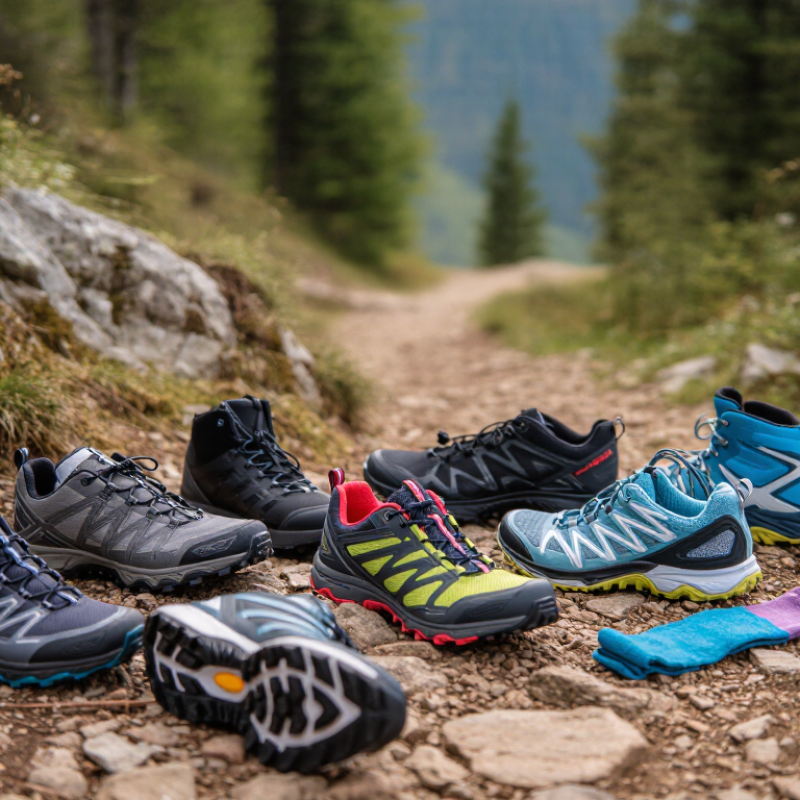
How to Choose the Best Trekking Shoes in 2026?

Understanding Trekking Shoe Types and Their Intended Uses

How to Choose the Best Trekking Shoes in 2026?

Understanding Trekking Shoe Types and Their Intended Uses

Choosing trekking shoes starts with the route, not the appearance. Trail shoes suit maintained paths, quick day hikes, and dry ground. They feel light and flexible, but offer less protection on loose rock. Light hiking shoes add firmer midsoles and modest ankle support. They work well for mixed terrain and small overnight loads. A shoe should match your usual walking surface.

For steep, rocky routes or heavy packs, Trekking Boots provide stronger structure, deeper lugs, and better torsional control. They can reduce foot fatigue when the load shifts, yet they require longer break-in time. Approach-style shoes suit scrambling sections because their sticky rubber grips rock effectively. They are not automatically comfortable for long forest miles. Intended use matters more than category labels. Not every trail needs boots.

Check fit late in the day, when feet are slightly swollen. Leave thumb-width space beyond the longest toe, and keep the heel from lifting. Walk downhill before buying; toe pressure often appears there first. Waterproof membranes help in cold rain, but they may feel hot in humid weather. Breathable, non-waterproof shoes can dry faster after a stream crossing. I once chose extra stiffness for a mild trail and regretted the weight. That mistake taught me to question maximum protection.

Assessing Fit, Foot Shape, and Walking Comfort

A good trekking shoe should feel secure without squeezing your foot. Your toes need room to spread, especially when walking downhill. Leave about a thumb’s width before the front of the shoe. Check this while wearing your usual hiking socks.

Foot shape matters more than appearance. Wide feet may need a broader toe box, while narrow heels often need stronger heel control. A high instep can feel pressure beneath the laces. Try different lacing patterns before rejecting a shoe. Walk for several minutes, then bend your knees and climb a step. Your heel should stay mostly in place.

Do not judge comfort from one short fitting. Feet often swell after hours on uneven ground. Test shoes in the afternoon, when swelling is more likely. The sole should flex near the ball of your foot, not directly through the middle. Match stiffness to your route and pack weight. Light paths usually need less structure than rocky trails.

Small details matter. Rub one heel against the floor. Notice any hot spot. I once ignored a mild toe pinch, expecting the material to soften. It did not, and the downhill section became painful. A qualified footwear fitter or podiatry professional can help when foot pain, unusual pressure, or repeated blisters continue. Personal comfort still matters most, because even accurate measurements cannot predict every walking pattern.

Comparing Sole Grip, Cushioning, and Terrain Performance

How to Choose the Best Trekking Shoes in 2026?

Sole grip deserves careful testing, not just aggressive-looking lugs. ASTM F2913 evaluates whole-footwear slip resistance under controlled conditions, but real trails remain unpredictable. Wet granite, loose gravel, and muddy clay demand different tread patterns. Deep, widely spaced lugs usually shed mud better. Closely packed lugs can feel more stable on compact paths. The 2024 Outdoor Participation Trends Report from the Outdoor Industry Association recorded 175.8 million U.S. outdoor participants in 2023. That variety of users makes one “best” sole unrealistic.

Cushioning should match distance and surface hardness. A thick midsole can reduce fatigue on long, rocky routes. However, excessive softness may weaken foot control on steep, uneven ground. I once chose comfort over stability and noticed my ankles working harder after several hours. That mistake still matters.

Check heel compression, forefoot flexibility, and pressure under the metatarsals. A short indoor walk is not enough.

Terrain performance depends on the complete shoe. A firm heel counter helps on descents, while a flexible forefoot suits smoother trails. The 2024 World Footwear Yearbook reported 23.9 billion footwear pairs produced globally in 2023, showing how crowded the market has become. Ignore impressive claims without test conditions. Compare outsole rubber hardness, lug depth, torsional stiffness, and measured weight. Try shoes with your hiking socks. Small fit errors become painful by sunset.

Evaluating Materials, Waterproofing, and Seasonal Protection

Choosing trekking shoes in 2026 means matching materials to terrain, not chasing the lightest pair. The Outdoor Industry Association’s 2024 Participation Trends Report recorded 58.7 million U.S. hikers in 2023. That scale makes durability important. Full-grain leather resists abrasion and supports heavy loads, while engineered mesh improves ventilation. However, mesh can expose feet to dust and sharp stones. I have found that a reinforced toe cap matters more than small weight savings on rocky trails.

Waterproofing needs closer inspection. Look for a tested membrane and sealed seams, then check results against ISO 811 hydrostatic-pressure methods. A waterproof shoe can still feel wet when sweat cannot escape. The European Outdoor Group’s 2024 market discussions continued to highlight repairability and material impact, while Textile Exchange’s 2024 Materials Market Report placed polyester at about 59% of global fiber production in 2023. Recycled content may reduce resource pressure, but it does not automatically improve grip or longevity. That distinction is easy to miss.

Tips: Match protection to the season. Choose deeper lugs and insulation for snow, but avoid overly warm linings in summer. Test shoes with hiking socks, on stairs, and after twenty minutes of walking. Leave toe space for downhill movement. I once selected a perfectly waterproof pair that caused hot spots; the specification looked excellent, but my feet disagreed. Check flex, heel hold, and drying time before trusting any technical claim.

How to Choose the Best Trekking Shoes in 2026? - Evaluating Materials, Waterproofing, and Seasonal Protection

Trekking Shoe Profile Upper Materials Waterproofing Approach Best Seasons Protection Level Main Advantages Important Limitations Recommended Use
Lightweight mesh trekking shoe Engineered mesh with synthetic overlays and a padded textile collar Usually non-waterproof; relies on quick drainage and breathable construction Late spring, summer, and dry early autumn Low to moderate; limited resistance to abrasion, mud, and sharp rocks Light on the feet, highly breathable, dries relatively quickly, and suits warm weather Offers little protection from prolonged rain, snow, cold wind, or wet vegetation Day hikes, maintained trails, hot climates, and fast-moving summer treks
Synthetic waterproof trekking shoe Synthetic textile or split-grain panels with a protective toe cap Waterproof-breathable membrane, sealed construction, and gusseted tongue Spring, autumn, and mild winter conditions Moderate; suitable for uneven paths and ordinary trail debris Balanced protection, lower break-in time than leather, and dependable rain resistance Can retain more heat and take longer to dry internally than non-waterproof mesh General three-season trekking, wet forest trails, and mixed-weather travel
Full-grain leather trekking shoe Full-grain leather with reinforced stitching and rubber or synthetic protection zones Naturally more water-resistant when conditioned; may include a waterproof lining or sealed seams Cool spring, autumn, and moderate winter High; strong resistance to abrasion, low branches, and rocky terrain Durable, supportive, protective, and generally more resistant to surface abrasion Heavier, less breathable, slower to dry, and usually requires a longer break-in period Rugged trails, carrying moderate loads, and repeated use in abrasive environments
Mid-cut waterproof hiking shoe Synthetic or leather upper with a higher padded collar and structured heel counter Waterproof-breathable membrane, sealed seams, and a gusseted tongue that reduces water entry Wet spring, autumn, and mild-to-moderate winter High ankle and underfoot protection; support depends on the sole and midsole design Helps keep out shallow water, mud, loose debris, and cold drafts while improving foot stability Not fully waterproof above the collar; membrane breathability decreases in hot, humid conditions Mixed terrain, muddy paths, streamside routes, and variable weather
Insulated winter trekking shoe Water-resistant synthetic or leather upper with thermal lining and padded insulation Waterproof membrane or coated upper, often combined with sealed seams and a snow-resistant gusset Winter, freezing temperatures, and snowy low-to-moderate mountain routes Very high against cold, snow, and wet ground; traction still depends on outsole design Retains warmth, blocks wind, and provides better comfort on cold surfaces Hotter, heavier, and less flexible; excessive insulation can cause sweating during hard climbs Cold-weather trekking, snowy trails, and winter travel where insulated footwear is appropriate
Approach-style technical trekking shoe Synthetic or leather upper with abrasion-resistant randing and a climbing-oriented toe zone May be non-waterproof, water-resistant, or fitted with a waterproof membrane depending on construction Dry summer through cool shoulder seasons High grip and abrasion protection; ankle coverage is usually lower than a hiking boot Precise foothold, durable toe protection, and strong performance on rocky terrain Stiffer sole and less comfortable for soft, flat walking; waterproof versions may run warmer Rocky approaches, scrambling routes, steep trails, and technical trekking sections
Selection rule: Choose breathability and fast drying for hot, dry routes; choose a waterproof membrane for persistent rain and wet vegetation; choose leather or reinforced synthetics for abrasion resistance; and choose insulation only when temperatures and activity levels justify the added warmth.

Testing Durability, Weight, and Value Before Buying

Choosing trekking shoes in 2026 requires more than checking tread depth or reading online ratings. I test each pair on wet paths, loose gravel, and steep climbs. A shoe should protect your feet without feeling like a small boot. Measure both shoes with the same scale. Even a 100-gram difference per foot becomes noticeable after several hours.

Durability needs practical testing. I inspect the toe guard, stitching, heel counter, and sole edges after repeated hikes. Flex the shoe by hand, but do not trust that test alone. Real trails expose weak points faster. After six weeks, I check for separated layers, crushed cushioning, and slipping tread. One pair looked strong but developed a hot spot near my little toe. That result changed my rating.

Value is not simply the lowest price. Divide the cost by expected seasons, repair options, comfort, and reliable grip. A lighter shoe may feel excellent on dry ground but disappoint in mud. A tougher model may last longer but create fatigue on long climbs. I once chose extra protection and regretted it on a warm, rocky route. My testing is useful, not perfect. Foot shape, pack weight, and walking style still influence every result. Try shoes late in the day, when feet are slightly swollen, and leave room for downhill movement.

Article Source:

Go to Top