Choosing the right Sun Hat for your business involves more than selecting an attractive color or adding a logo. The hat represents your brand during outdoor events, hospitality services, travel promotions, and seasonal retail campaigns. Customers notice comfort quickly. They also notice poor stitching, weak structure, and unclear product information. A practical decision begins with your audience, climate, budget, and intended use.
Consider the brim width, crown shape, ventilation, fabric, and adjustable fit. Lightweight cotton may feel comfortable, while polyester or recycled blends can offer durability and easier care. Look for reliable sun-protection testing, including verified UPF information where available. A wide brim can improve face and neck coverage, but it may affect visibility and storage. Small details matter. Check sweatbands, seam strength, colorfastness, and logo placement on physical samples.
Supplier evaluation deserves equal attention. Request production samples, material specifications, quality-control details, and realistic delivery schedules. Confirm minimum order quantities before approving a large campaign. Ask how the supplier handles defects and replacement requests. Experience shows that the cheapest quote can become expensive after inconsistent sizing or delayed delivery. Still, no choice is perfect. We may overvalue appearance and underestimate repeated daily wear. Test the Sun Hat in real conditions, under strong light, with movement and moisture. Gather feedback from staff or customers before committing. A dependable product should protect, fit, communicate your brand, and remain comfortable after hours of use. That balance builds trust more effectively than a fashionable design alone.
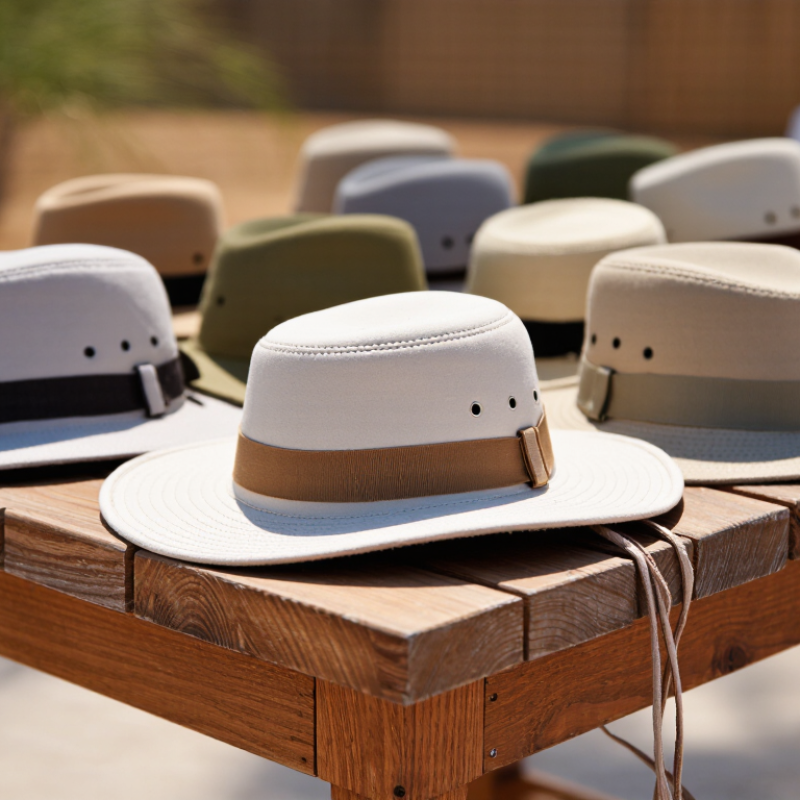
Define the exposure before choosing the hat. An office courier, a landscaper, and a stadium attendant face different risks. Consider outdoor hours, local UV levels, movement, heat, and required visibility. The WHO Global Solar UV Index guidance recommends sun protection when the index reaches 3 or higher. Check the index during peak work hours, not only at midday.
The WHO and ILO estimated that 1.6 billion workers faced occupational solar UV exposure in 2019. Their 2023 report also linked this exposure to nearly 19,000 non-melanoma skin cancer deaths. These figures make sun protection a workplace planning issue, not a fashion detail.
For open sites, select a broad brim that shades the ears and neck. For windy tasks, use an adjustable chin cord and a secure fit.
Choose breathable fabric for hot conditions, but do not assume light material blocks enough UV.
Small details matter.
A dark underside can reduce reflected glare. A sweatband can prevent constant readjustment. Visibility may require a high-contrast color. That choice can conflict with heat absorption, so test it outdoors.
A perfect checklist does not exist. Teams may also reject a hat that feels awkward, even when its protection is strong. Ask workers to wear samples for a full shift, record complaints, and revise the specification before purchasing in volume.
For a business, a sun hat should protect people and support comfortable, consistent outdoor work. During practical fittings, I compare materials before judging appearance. Straw feels cool and breathable, but loose weaving may allow more sunlight through. Cotton is soft and comfortable, though it can absorb sweat and dry slowly. Polyester or nylon usually dries faster and keeps its shape. Choose fabric with a tested UPF rating when reliable ultraviolet protection matters. Check the documentation, not only the label.
Shape changes coverage significantly. A wide brim shades the face, ears, and neck better than a short brim. A bucket shape can protect the sides of the head, but its downward brim may reduce visibility. A visor keeps the forehead shaded and allows airflow, yet leaves the ears and neck exposed. Measure the crown carefully. A loose hat may slip in wind, while a tight one can cause pressure after several hours. Add an adjustable band when different employees will wear the same design.
Coverage should match the working environment. Open beaches, gardens, and loading areas usually need broader brims and secure fasteners. Shaded patios may need lighter materials and better ventilation. Dark fabric can feel hotter, although dense construction may improve light blocking. That trade-off is easy to overlook. I would test hats during a real shift, not only indoors. Comfort sometimes matters more than a perfect silhouette. Reconsider the choice after heat, movement, and repeated washing.
Use this comparison to match sun hat construction with your employees’ work environment, branding needs, comfort expectations, and required sun protection.
| Hat Material | Typical Properties | Breathability | Durability | Moisture Management | Packability | Best Business Uses | Important Considerations |
|---|---|---|---|---|---|---|---|
| Cotton | Natural fiber with a soft hand feel and a familiar casual appearance. | ★★★★☆ | ★★★☆☆ | Absorbs perspiration but dries more slowly than many synthetic fabrics. | Usually moderate; may crease unless treated or structured. | Retail teams, hospitality staff, outdoor events, and promotional programs where comfort and a natural look matter. | Fabric weight, weave density, and color affect sun protection. Cotton alone does not guarantee a specific UPF rating. |
| Polyester | Lightweight synthetic fiber that holds color well and resists shrinking and wrinkling. | ★★★☆☆ | ★★★★☆ | Often dries quickly; moisture-wicking performance depends on the fabric design and finish. | Usually good, especially in lightweight or crushable constructions. | Landscaping, delivery services, sports events, travel operations, and uniforms requiring repeat washing. | Some tightly woven or specially engineered polyester fabrics can offer strong UV protection, but the finished product should be tested or certified. |
| Nylon | Strong, lightweight synthetic fiber with good abrasion resistance. | ★★★☆☆ | ★★★★★ | Low absorbency and generally fast drying; performance improves with ventilated panels. | Excellent in lightweight, flexible designs. | Outdoor service crews, field staff, travel companies, utility work, and active applications. | Can feel less natural than cotton and may retain heat if the weave is dense and ventilation is limited. |
| Linen | Natural bast fiber known for airflow, a textured appearance, and a lightweight feel. | ★★★★★ | ★★★☆☆ | Absorbs moisture and feels cool, but it dries more slowly than many performance synthetics. | Low to moderate; wrinkles easily and may require careful packing. | Resorts, restaurants, tourism, weddings, and premium summer-facing services. | Loose or open weaves can reduce UV protection. A lining or tested UPF construction may be needed for stronger coverage. |
| Paper Straw / Natural Straw | Structured woven material with a traditional warm-weather appearance. | ★★★★★ | ★★★☆☆ | Does not function like moisture-wicking fabric; the open weave promotes airflow. | Usually limited unless the hat is designed to fold or roll. | Resorts, outdoor hospitality, leisure venues, tourism, and seasonal retail displays. | Quality varies by weave and construction. Keep dry when possible and inspect regularly for broken fibers or deformation. |
| Recycled Polyester | Polyester made from recycled feedstocks, commonly used in lightweight performance fabrics. | ★★★☆☆ | ★★★★☆ | Can provide quick-drying and moisture-management performance when engineered for it. | Usually good, depending on the fabric weight and hat structure. | Organizations with sustainability goals, outdoor events, uniforms, and promotional merchandise. | Recycled content does not automatically indicate UV performance. Request documentation for recycled content and UPF claims separately. |
| Blended Fabric | Combines fibers such as cotton-polyester or nylon-spandex to balance comfort, stretch, and performance. | ★★★★☆ | ★★★★☆ | Varies by blend ratio; synthetic content often improves drying speed and shape retention. | Often good, particularly when synthetic fibers are included. | Large uniform programs needing a compromise between employee comfort, maintenance, and service life. | Review the fiber percentages and care instructions because performance can differ significantly between blends. |
| Hat Shape | Coverage Profile | Typical Brim or Flap Design | Strengths | Limitations | Recommended Business Environments |
|---|---|---|---|---|---|
| Wide-Brim Hat | High coverage around the face, ears, and neck when the brim is evenly shaped. | Usually a brim measuring approximately 7.5 cm or more, depending on the design. | Provides broad shade and a highly visible outdoor-service appearance. | Can be less convenient in windy conditions and may interfere with some equipment or uniforms. | Landscaping, agriculture, resorts, outdoor guides, construction support, and event teams. |
| Bucket Hat | Moderate coverage around the head, face, and upper neck. | Downward-sloping brim, commonly shorter than a full wide-brim hat. | Casual, easy to customize, relatively packable, and suitable for large-scale distribution. | Usually provides less side and neck shade than a broad, structured brim. | Promotional campaigns, festivals, retail staff, hospitality, and casual outdoor teams. |
| Safari or Outback Hat | High coverage with a structured crown and a broad, often firm brim. | Wide brim, chin cord, and sometimes ventilation panels or a neck flap. | Stable fit, strong shade, and a professional outdoor identity. | Less compact for storage and may feel warm if the crown lacks ventilation. | Outdoor tours, field services, parks, security patrols, and conservation work. |
| Legionnaire Hat | Very high coverage for the ears and neck in addition to the face. | Cap-style front with an extended rear neck flap, sometimes removable. | Excellent neck protection and practical coverage for prolonged outdoor exposure. | More technical appearance and potentially less comfortable in hot, still conditions without airflow. | Outdoor labor, agriculture, utility work, logistics yards, and field operations. |
| Visor | Limited coverage; primarily shades the eyes and upper face. | Front brim with an open crown. | Excellent airflow, lightweight feel, and easy compatibility with hairstyles or helmets. | Leaves the top of the head, ears, and neck exposed. | Sports events, golf services, front-desk outdoor roles, and short-duration activities. |
| Cap with Neck Flap | Moderate to high coverage depending on flap length and side panels. | Forward brim plus detachable or permanent rear and side protection. | Combines a familiar cap profile with added neck coverage and easy identification. | Some flaps may obstruct peripheral vision or become uncomfortable when wet. | Delivery teams, outdoor retail, sports operations, warehouse yards, and service technicians. |
| Coverage Area | Recommended Design Features | Business Priority | Selection Guidance |
|---|---|---|---|
| Face and Eyes | Firm front brim, matte surface, and a brim wide enough to cast shade across the brow and upper face. | Visibility, comfort, and reduced glare. | Choose a stable brim for employees who work in bright, open areas; confirm that it does not block required sightlines. |
| Ears and Side Face | Wide side brim, low crown openings, or side panels with a dense weave. | More complete side protection. | Prefer a wide-brim or safari-style design over a short-brim cap when exposure comes from multiple directions. |
| Neck | Extended brim, neck flap, cape panel, or a Legionnaire-style construction. | Protection during long outdoor shifts. | Use a neck flap for high-exposure work, especially when the uniform or safety equipment does not cover the neck. |
| Top of Head | Densely woven crown, full crown construction, and optional breathable mesh that does not compromise required coverage. | Protection from direct overhead sun. | A visor is not suitable when the top of the head needs protection; select a full-crown hat instead. |
Note: UPF is determined by the finished fabric and garment construction, including weave density, color, weight, stretch, and wetness. Material type alone cannot guarantee a UPF level. For workforces with prolonged sun exposure, request independent UPF test documentation and follow applicable workplace safety requirements.
Your sun hat should look like a natural extension of your brand identity. A refined business may suit a structured hat with clean lines and neutral colors. A relaxed outdoor business could choose woven textures, softer shapes, and earthy tones. The shape speaks before customers notice the logo.
Match the hat’s color with your existing visual system, including uniforms, packaging, and signage. Use contrast carefully. A small logo should remain visible without dominating the design. Materials also communicate meaning. Cotton can feel approachable, while recycled fibers may support an environmentally conscious message. I have learned that attractive samples can still feel wrong in real settings. Test them with staff before ordering large quantities.
Tips: Create a simple style board first. Include colors, fabrics, logo sizes, and customer photos. Compare at least three hat shapes under natural light. Check whether the brim suits your work environment. Wide brims offer stronger coverage, but they may obstruct movement in busy areas. Confirm UPF testing and material details with the supplier. Ask for current documentation, not verbal promises. Consider adjustable features for different head sizes. Comfort matters after several hours outdoors. Keep a few imperfect samples for honest team feedback. Their criticism may reveal a design problem early.
How to Choose the Right Sun Hat for Your Business?
Evaluate Comfort, Durability, and Care Requirements
A business sun hat must feel comfortable during long working hours. Ask staff to wear sample hats for a full shift. Short trials can hide pressure points. Check the sweatband, crown depth, and chin cord. A secure fit should not leave red marks behind the ears. Lightweight fabric helps, but poor ventilation can still create heat.
Durability depends on stitching, brim recovery, and fabric strength. Bend the brim gently, then inspect whether it returns to shape. Examine seams around adjustment points, where repeated handling causes stress. Hats used outdoors should resist fading and moisture, according to verified supplier specifications. Do not trust appearance alone. I once approved a soft, attractive sample that warped after several washes.
Care requirements affect labor costs and product life. Request clear washing instructions before placing a large order. Test several samples after washing, drying, and air exposure. Measure shrinkage and compare the color afterward. Some materials may need hand washing, which is inconvenient for busy teams. That detail can change the real value of a hat. Keep a simple care record, even if it seems unnecessary. It may reveal problems later. A practical choice balances comfort, repeated use, easy cleaning, and honest maintenance limits.
How to Choose the Right Sun Hat for Your Business?
Choose the Best Supplier, Budget, and Order Size
A dependable supplier should provide clear material details, sample approval, and realistic production timelines. Ask for current test reports supporting any ultraviolet protection claim. Traceable batch records also help when colors or stitching vary between shipments. In practical sourcing work, I have found that quick replies are useful, but consistent quality matters more. Request a sample in the final fabric, not a similar substitute. Small differences can affect comfort, shape, and customer reviews.
Your budget should include more than the unit price. Add sampling, packaging, shipping, inspection, storage, and possible customs expenses. Keep a modest reserve for delays or rejected pieces. My early mistake was choosing the lowest quotation without checking carton dimensions. Freight costs later reduced the expected savings. Compare suppliers using the landed cost, payment terms, defect policy, and replacement process. A written specification protects both sides.
Order size should follow evidence, not excitement. Start with a pilot order when demand is uncertain. Test several sizes and neutral colors before expanding the range. Review sales by week, weather, and customer type. A small buffer is sensible, but excessive stock can occupy valuable warehouse space. Ask whether the supplier can repeat the same design after three months. That detail is easy to miss. It may decide whether your next order feels controlled or rushed.
Compare estimated unit cost, minimum order quantity, and supplier suitability before placing a bulk order. The figures below are practical purchasing benchmarks for standard promotional sun hats and should be confirmed with your selected supplier.
Larger orders generally reduce the estimated unit cost, but they also increase inventory risk. For most businesses, an initial order of 1,000–3,000 units offers a reasonable balance between budget control and volume pricing.
Newsletter SignupUpcoming events, promo offers, member exclusives and more.
Golf Fanatics is a Chrysalis Enterprises Company owned by a group of like-minded individuals who share a common passion and affinity for golf, investing in successful Small-Medium-Enterprises, creating rewarding employment opportunities and being good industry participants and corporate citizens.
Monday
Tuesday
Wednesday
Thursday
Friday
Saturday
Sunday
9 a.m. – 10 p.m.
8 a.m. – 10 p.m.
8 a.m. – 10 p.m.
8 a.m. – 10 p.m.
8 a.m. – 11 p.m.
8 a.m. – 11 p.m.
8 a.m. – 9 p.m.
Copyright © 2025 · Golf Fanatics is a division of Chrysalis Golf Ventures Inc.
7100 15th St SE, Calgary AB
This site is protected by reCAPTCHA and the Google Privacy Policy and Terms of Service apply.
Need help? Call our support 24/7

Just a few things before you book…
While Toptracer Range technology and our automated ball dispensers are 99% reliable, there are rare instances when they do not function properly, especially during periods of inclement weather.
Please note that we do not guarantee the reliability of these services during any booking and will not provide you with a refund or credit if they do not function properly during your booking, therefore booking our services is fully at your discretion.
By booking our services, you acknowledge full responsibility for the cost of any intentional or unintentional damages to any Golf Fanatics or neighboring property and equipment caused by you or your guests during your booking.
You and your guests hereby agree to indemnify Golf Fanatics from any liabilities associated with any personal injury incurred by you or your guests during your booking.


