What Is Mini Golf and How Is It Played?

Mini golf is a compact putting game built around creativity, control, and a little patience. Players guide a small ball through a course using a putter, aiming to finish each hole with the fewest strokes. Courses commonly contain 18 holes, although layouts can be shorter or longer. Each hole may include ramps, tunnels, bridges, walls, or moving obstacles. The setting might resemble a garden, pirate ship, jungle, or colorful indoor arcade.

The basic technique is simple to explain but harder to master. Stand comfortably, keep your eyes near the ball, and make a smooth, controlled stroke. A powerful swing often creates trouble. The ball can bounce off a barrier, lose direction, or stop inches from the target. Most courses use a scorecard, with one number recorded after each hole. Lower scores usually win, but local rules can change how penalties and obstacle shots are handled. Ask before playing.

Mini golf is related to traditional golf, yet the experience feels more social and playful. Traditional golf emphasizes long-distance shots across large outdoor spaces. Mini golf focuses on short putting challenges and imaginative course design. The terms “mini golf” and “putt-putt” are often used interchangeably, though some people distinguish them by obstacle style or scoring rules. That distinction is not always consistent.

Small details matter. A sloped surface can change the ball’s path. Uneven carpet may slow it unexpectedly. Players should respect the course, wait for the group ahead, and avoid distracting others. Perfect technique is not required. Even experienced players misread a break. That is part of the appeal: every hole offers a visible problem, a quick decision, and another chance to improve.
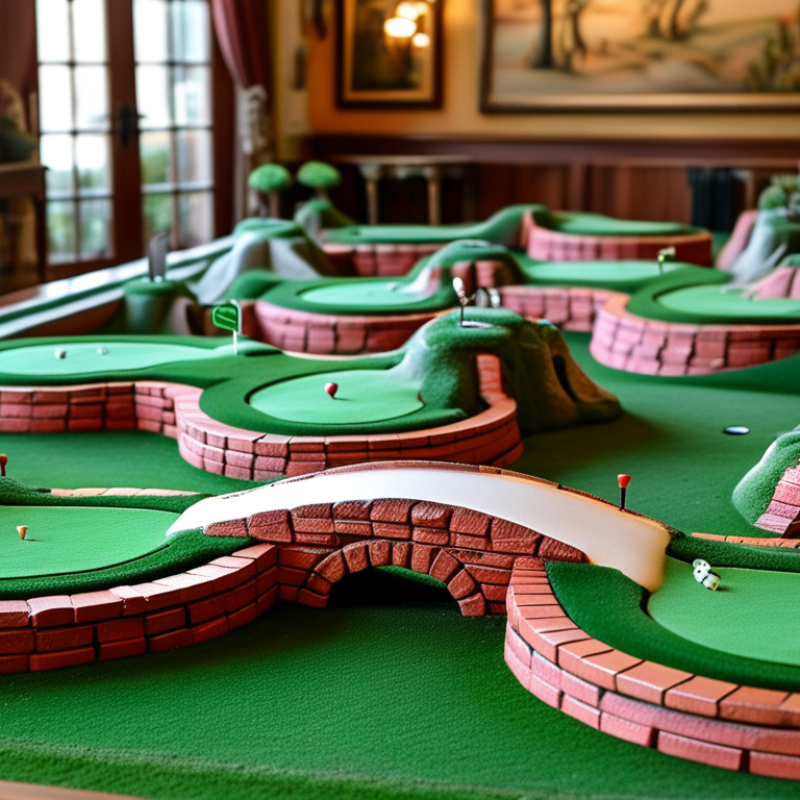
What Is Mini Golf and How Is It Played?

Mini Golf: Definition and Core Features

What Is Mini Golf and How Is It Played?

Mini golf is a shortened form of golf played on a small, designed course. Players use a putter to guide a lightweight ball toward each hole. Courses commonly contain nine or eighteen holes. Each hole has a suggested par, which indicates the expected number of strokes. The player with the lowest total score usually wins.

Mini golf’s core features are compact greens, creative obstacles, and controlled putting. Players may face ramps, tunnels, curves, bridges, or narrow lanes. Some courses use artificial grass and firm borders to keep the ball in play. Unlike full golf, mini golf does not require long drives or large clubs. Accuracy matters more than strength. In my experience, a gentle stroke often works better than a powerful one. Still, this game is not as simple as it looks. Uneven surfaces and awkward angles can punish rushed decisions. Even skilled players sometimes misjudge a rebound.

Tips: Study the complete path before hitting. Notice slopes, walls, and the position of the hole. Keep the putter face square to your target. Use a short backswing for better control. When a bank shot is necessary, aim slightly wider than the hole. This adjustment takes practice. A scorecard helps track strokes, although friendly players may care more about creative shots than perfect numbers.

Course Layout, Obstacles, and Essential Equipment

What Is Mini Golf and How Is It Played?

Course Layout, Obstacles, and Essential Equipment

Mini golf is a putting game played on a compact course with nine or eighteen holes. Each hole uses artificial turf, low walls, and a small target cup. The layout may include ramps, tunnels, bridges, curves, or shallow water sections. Players usually take turns, beginning from a marked starting area. The goal is simple: reach the cup with as few strokes as possible. Some courses have colorful themes, but good design still depends on clear paths and fair obstacles.

A standard setup needs a putter, one golf ball, and a scorecard with a pencil. The putter should feel comfortable in the hands, not necessarily heavy or expensive. Players normally keep the ball below waist height and avoid swinging like a full golf shot. A controlled tap works better near walls. I have found that studying the angle before moving often saves a stroke. Still, a careful plan can fail when the ball catches an unexpected slope.

Obstacles test touch, direction, and patience. A ramp may require extra force, while a narrow tunnel rewards a straight stroke. Players should check the course rules before starting, because ball limits and water features vary. Good etiquette matters too: wait until the hole is clear, stand away from another player’s line, and record scores honestly. Comfortable shoes help with balance, although many players underestimate how tiring repeated bending can become. Mistakes are part of the game. Even experienced players misread a simple curve.

How to Begin and Play Each Mini Golf Hole

What Is Mini Golf and How Is It Played?

How to Begin and Play Each Mini Golf Hole

Mini golf is played on a series of short, themed holes. Each hole has a starting area, a cup, and a target number of strokes. Pick up a putter that feels comfortable. Stand behind the ball and study the route before swinging. Look for slopes, rails, bumps, and narrow openings. The first stroke should usually be gentle. A strong hit can send the ball beyond the safest angle.

Place your ball inside the marked starting area. Keep your feet steady and grip the putter lightly. Aim through the center of the ball, not across it. Let the putter move like a pendulum. After each stroke, walk to the ball and inspect its new position. Some courses limit strokes per hole, so read the posted rules before playing. Course rules can differ.

Use the walls when they offer a clear rebound. Avoid complicated bank shots until you understand the slope. A short tap is often more reliable near the cup. I sometimes choose a clever angle and regret it immediately. The ball may stop beside the hole. That is frustrating. Count every stroke honestly, including accidental contacts. If another player is on the hole, wait until the area is clear. Keep your turn calm, watch the ball, and record the score before moving to the next hole.

Rules, Turns, Penalties, and Scoring

What Is Mini Golf and How Is It Played?

Mini golf is played on short, obstacle-filled holes with a small club and ball. Each player usually takes one shot per turn, then the next player plays. This order continues until every ball reaches the hole. In many groups, the player with the lowest score on the previous hole plays first. However, local course rules may set a different order.

Every stroke counts as one point. A successful hole might require three strokes, while a difficult one may need six or more. Players should record scores immediately, because memory becomes unreliable after several holes. The player with the lowest total score wins. Simple enough.

Penalties depend on the course. A ball leaving the playing area may add one penalty stroke and return to its previous position. Some courses allow a free placement near a wall, while others do not. Read the posted rules before playing. Do not move a ball without permission, even if it rests beside an awkward barrier. I have seen friendly games become confusing over one unrecorded penalty. The mistake is small, but the final score changes. Players should also wait until the lane is clear and avoid touching another player’s ball. A quiet pause often prevents a careless shot.

Common Variations and Basic Player Etiquette

Mini golf is a short-format golf game built around creativity, accuracy, and controlled power. The R&A’s Golf Around the World 2023 report recorded 66.6 million golfers across 206 countries, showing golf’s broad recreational reach. Mini golf makes that experience more accessible.

Courses often include ramps, tunnels, bridges, and sharp bends. Players usually complete 18 holes, counting every stroke. The lowest total wins. A missed line can matter more than a strong swing.

Common variations change the challenge.

Adventure courses use themed obstacles and uneven surfaces. Indoor courses may add lighting, sound, or timed play. Some competitive formats limit shots per hole, while casual groups simply keep score.

The Professional Putters Association’s competition rules emphasize a fixed ball position, controlled putting, and stroke penalties for specific mistakes. Local rules still differ, so players should read the course sign before playing.

Etiquette protects the rhythm of the game.

Wait until the group ahead leaves the hole. Keep bags away from putting lanes. Avoid standing beside another player’s backswing. Quiet helps. Players should repair small course damage when staff permits it and return balls promptly.

The 2024 IAAPA Global Theme and Amusement Park Outlook highlights continued demand for interactive leisure experiences, but crowding can make courtesy harder.

I sometimes rush a putt when people watch. That is poor form. A calm pause, a clear turn, and honest scoring usually improve the experience for everyone.

Go to Top