Top 10 Tips to Shop Golf Gear for Beginners
Golf is more than just a sport; it's a lifestyle. For beginners, knowing how to shop golf gear can be overwhelming. With countless brands and equipment types available, making informed choices is crucial. According to the National Golf Foundation, 24 million Americans played golf in 2022, revealing a growing interest in the sport. This data highlights the importance of proper gear for new players.
When you shop golf, focusing on essential items is key. Investing in a set of clubs, comfortable footwear, and quality golf balls can make a difference. However, beginners often spend too much on unnecessary equipment. A survey indicates that 70% of novice golfers purchase items they rarely use. This emphasizes the need for research before buying.
Reflecting on personal experiences is vital. Many rookie golfers regret impulsive purchases that didn't enhance their game. Understanding what to prioritize can lead to a rewarding experience. Ultimately, shopping for golf gear should feel exciting, not burdensome. By following practical tips, newcomers can find their way in the world of golf.
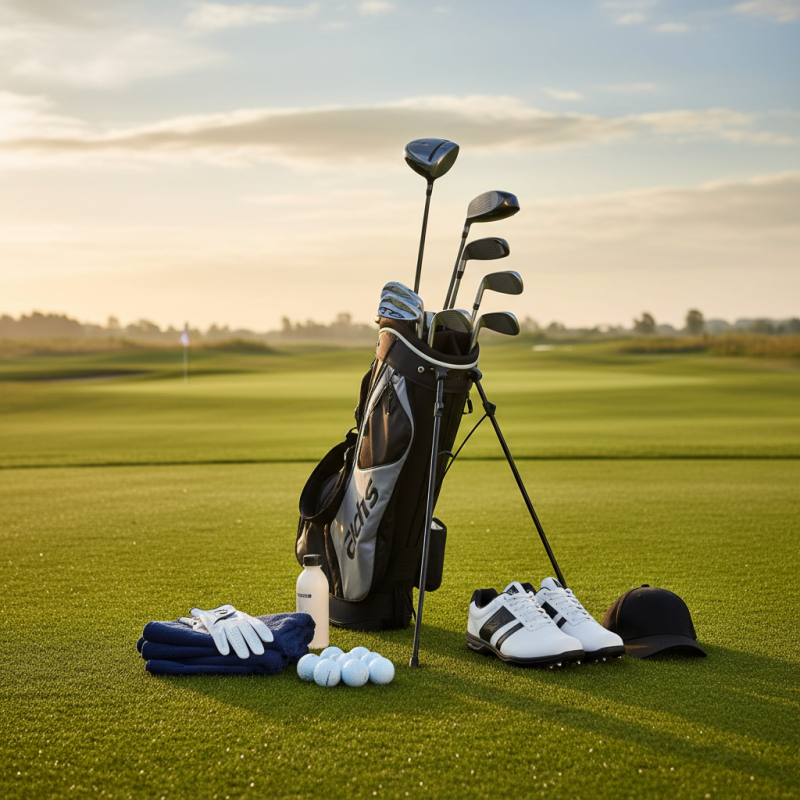
How to Assess Your Golf Skill Level Before Shopping for Gear
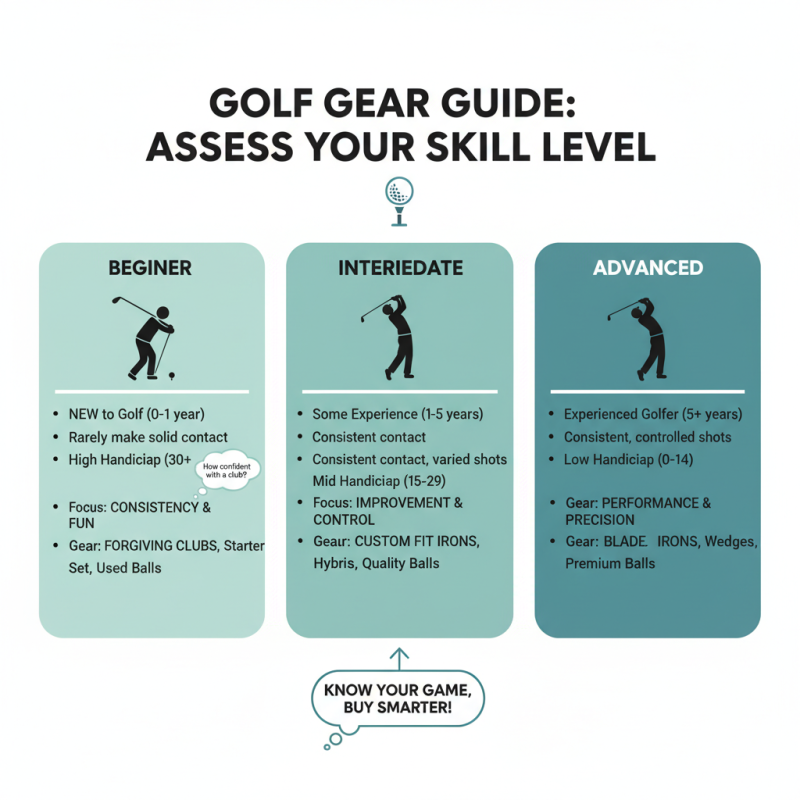
Before diving into shopping for golf gear, assessing your skill level is crucial. Beginners often overestimate their needs. Ask yourself, “How confident am I with a club?” Understanding your abilities shapes your purchases. Familiarize yourself with different skill levels: beginner, intermediate, and advanced.
Consider taking a lesson or participating in a local clinic. This helps gauge your skills. It also offers insight into what equipment suits your game. If you struggle with swings, a basic set might be all you require. Invest in essentials first.
When shopping, focus on functional gear. Not every trendy item will enhance your game. Take note: don’t get swayed by flashy designs. Sometimes, the simplest tools prove most effective. Listen to your instructor or experienced friends. Their advice can inform your choices greatly. Reflect on where you often struggle on the course to guide your buying decisions.
Understanding the Different Types of Golf Clubs for Beginners
When starting your golf journey, understanding different types of golf clubs is vital. Many beginners focus only on drivers and putters. However, a complete set includes woods, irons, and wedges too. Woods are perfect for long-distance shots. They have larger heads, making it easier to hit the ball. A fairway wood can help you navigate to the green.
Irons are essential for approach shots. They come numbered, usually from 3 to 9, each serving a specific distance. A 7-iron can be ideal for a 150-yard shot. Meanwhile, wedges help in short game situations. They offer precision, especially when you're near the green. Most newcomers underestimate their importance.
Many beginners rush to buy clubs without understanding their needs. It's common to feel overwhelmed by selections. Not every club suits every player. Trying out different types at a nearby range can provide great insights. You may find that a club you thought was perfect isn’t comfortable. Take the time to find what feels right; your game will thank you.
Understanding the Different Types of Golf Clubs for Beginners
Key Features to Look for in Beginner Golf Balls
When shopping for beginner golf balls, focus on key features that enhance your game. Look for balls with a soft cover. These provide better feel and control around the greens. A soft ball can help you chip and putt more effectively. It’s common for beginners to struggle with distance control, but a softer feel can ease that frustration.
Consider the ball's construction too. Two-piece balls are often more forgiving. They offer durability and distance, making them ideal for beginners. These balls usually feature a larger core, which helps with long shots. Yet, they may lack the spin control needed for finesse shots. It's essential to reflect on what aspects of your game need the most improvement.
Lastly, pay attention to the compression rating. Lower compression balls are typically better for beginners. They require less swing speed to achieve optimal distance. You might not always notice immediate changes in your performance, but small adjustments can lead to progress over time. Remember, every golfer starts somewhere, and every ball can teach you something new.
Budgeting for Your First Set of Golf Gear: What You Need to Know
When starting your golf journey, budgeting is crucial. You might be tempted to buy every shiny item in sight. However, it's smart to prioritize your purchases. A basic set of clubs will serve you well as a beginner. You can also find quality used equipment at lower prices. Starting small can save you money and help reduce confusion.
Consider investing in essential items first. A good putter, a couple of irons, and a driver are often all you need at the start. Look for a simple bag to carry your gear, but don't overspend on flashy features. Also, think about appropriate clothing. Comfortable shoes can make a significant difference on the course. Sometimes, less is more.
Don't rush into purchases. Reflect on what you truly need. You might feel the urge to buy the latest technology, but remember that skill comes first. As you improve, you can gradually upgrade your gear. Keep an eye on sales and promotions. Every dollar saved can go towards lessons or practice time.
Top 10 Tips to Shop Golf Gear for Beginners
| Item |
Estimated Cost |
Description |
Tips |
| Golf Clubs (Set) |
$300 - $800 |
A basic set typically includes a driver, a few woods, irons, a wedge, and a putter. |
Consider buying used clubs or a starter set for beginners. |
| Golf Balls |
$15 - $50 (per dozen) |
Choose durable balls that suit your skill level. |
Look for bulk discounts. |
| Golf Bag |
$50 - $200 |
A bag to carry your clubs and accessories. |
Opt for a lightweight model for ease of transport. |
| Golf Shoes |
$50 - $150 |
Look for comfort, stability, and good grip. |
Try them on with golf socks for the best fit. |
| Glove |
$10 - $30 |
Helps improve grip on the club. |
Choose the right size for comfort. |
| Tees |
$5 - $15 |
Used to elevate the ball for the first stroke. |
Buy in bulk for savings. |
| Rangefinder |
$100 - $400 |
Helps to measure distances on the course. |
Consider a model that is user-friendly for beginners. |
| Training Aids |
$20 - $100 |
Items like alignment sticks or putting mats. |
Invest in aids that address your weaknesses. |
| Golf Lessons |
$30 - $100 (per lesson) |
Professional instruction to improve your game. |
Look for package deals for multiple lessons. |
The Importance of Custom Fitting and Professional Advice in Gear Selection
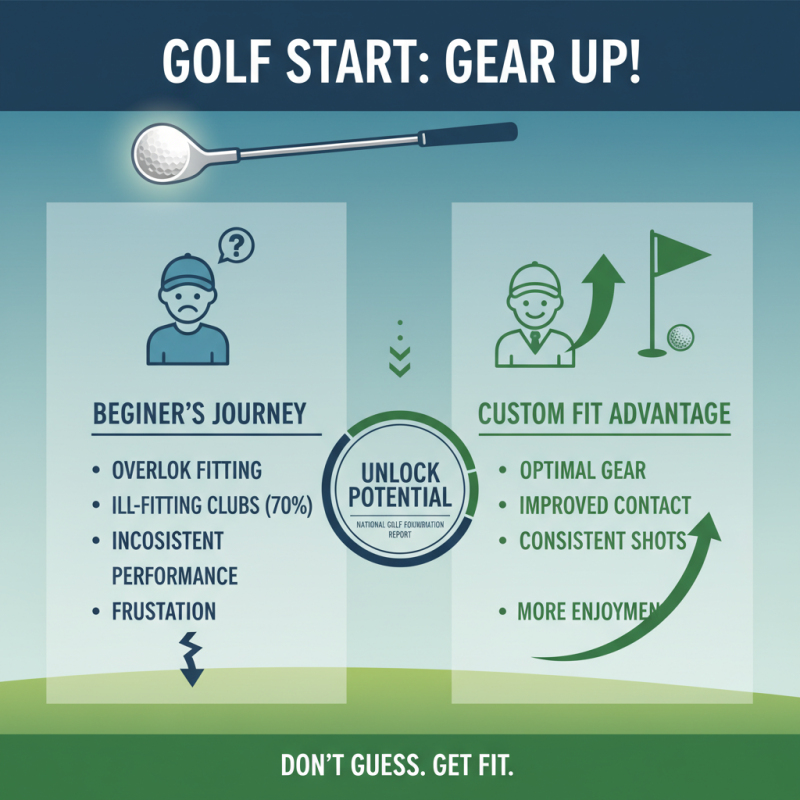
When starting your golf journey, gear selection is crucial. Many beginners overlook custom fitting. A report by the National Golf Foundation reveals that 70% of amateur golfers use ill-fitting clubs. This often leads to inconsistent performance and frustration on the course.
Professional advice can significantly improve your experience. A fitting session considers your height, swing speed, and style. Even slight adjustments can enhance accuracy and distance. According to studies, golfers who invest in custom-fitted equipment see an improvement of up to 20% in their game. Yet, many new players hesitate to seek help, fearing the costs or complexity involved.
Choosing the right gear involves more than just picking up the latest models. It's about understanding your unique needs. Engaging with professionals ensures you get the right equipment. However, many beginners stick to generic options, which can hinder progress. It’s essential to reflect on whether you're truly equipped to improve. Custom fitting is more than a luxury—it's a starting point for success.




 Newsletter