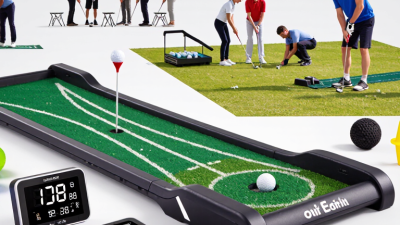
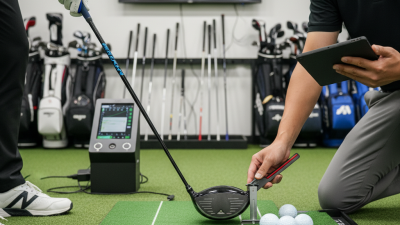
Choosing the best mini golf club supplier is not simply a price comparison. It is a quality decision.
The National Golf Foundation reported that 41.1 million Americans played golf on-course in 2023. Its participation research also highlights golf’s broad appeal across ages and skill levels. Miniature golf benefits from this wider interest, but supplier data remains less consistent. Many market reports combine recreational equipment, golf clubs, and venue revenue. That makes direct comparisons difficult. Treat figures carefully.
A reliable supplier should provide measurable specifications, not vague promises. Check shaft length, grip diameter, head weight, materials, coating quality, and replacement-part availability. Ask for product samples. Hold the club beside a child-sized putter and an adult model. Differences become obvious.
Joe Beditz, former President and CEO of the National Golf Foundation, has described golf as “a game for a lifetime.” That principle matters for mini golf equipment. Clubs should support beginners, children, casual players, and high-volume venues without creating avoidable discomfort.
The Sports & Fitness Industry Association’s 2024 Topline Participation Report also shows the importance of accessible recreational activities in the United States. A supplier serving this market should understand durability, safety, inclusive sizing, and consistent delivery. Certifications and test documents help, but they do not replace practical inspection.
Look beyond the cheapest quotation. Compare warranty terms, production capacity, communication speed, packaging, and proven customer references. Ask how damaged clubs are handled after delivery. The right supplier may cost slightly more initially. Poor grip wear, bent shafts, and delayed replacements can cost far more later.
No single report tells the whole story. Your venue’s players, climate, traffic, and budget still matter. That is the uncomfortable part. Data informs the choice; real-world testing confirms it.
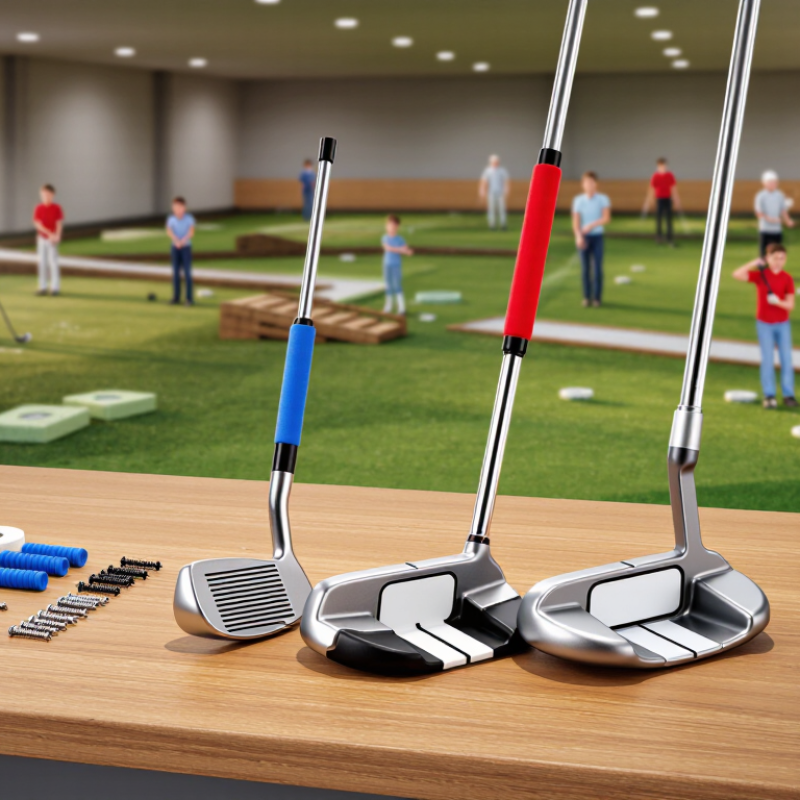
Before comparing mini golf club suppliers, define how the equipment will be used. A family entertainment center may need durable clubs for frequent daily play. A private venue may prefer lighter models with better visual appeal. Record the expected player ages, average height, left- and right-handed needs, club length, grip size, and preferred materials. Include the number of holes and the number of players using the course during peak hours. Small details matter.
Set a realistic project budget before requesting quotations. Separate the equipment cost from shipping, spare clubs, storage racks, taxes, installation, and future replacements. For example, buying 40 clubs may look economical, but ten additional clubs could reduce interruptions during busy periods. Ask suppliers for sample pieces, production lead times, packaging details, and warranty terms. Check whether replacement grips or heads are available. A clear quotation should show every charge.
Do not choose the lowest price automatically. A weak grip can become uncomfortable after repeated use, while poor finishing may damage easily outdoors. I once underestimated replacement costs and had to revise the operating budget later. That mistake was avoidable. Request test units and inspect their balance, surface finish, weight, and resistance to moisture. Compare these findings with your playing environment, maintenance plan, and expected service life. A supplier who answers technical questions clearly may offer more dependable support than one offering only a low initial quote.
Define your mini golf club requirements and project budget before comparing suppliers. This planning model uses a total budget of $3,000 and separates the main purchasing requirements for a small commercial mini golf project.
The largest budget share is allocated to the standard club set because quantity, shaft durability, grip comfort, and replacement availability directly affect daily operation. Customization and shipping should be confirmed separately because they can vary according to order volume, materials, and delivery distance.
Choosing a mini golf club supplier starts with the club’s material, not a glossy catalog. Aluminum heads are light and resist rust, while steel can provide a firmer, heavier feel. Fiberglass or graphite shafts reduce weight, but their flex must match the player’s strength and age. For busy courses, inspect grip texture and joint durability. Ask for material specifications and test samples before placing a large order. Test samples first. I have found that a comfortable grip often matters more than a polished finish. Still, that judgment can change with climate and daily use.
Design should support control, safety, and quick replacement. A simple blade head suits many beginners, while mallet shapes may offer more stability during short putts. Sharp edges and loose components deserve rejection. Club length should fit the user, not merely the course layout. Children usually need shorter shafts; adults often need longer options, but posture remains the best guide. Measure a standing player from floor to hand, then compare the supplier’s size chart. Small size errors can create awkward swings. I once underestimated this detail.
Tips: Request samples in different weights and lengths. Check whether left- and right-handed versions are available. Ask about custom colors, grip textures, head markings, and printed course logos. Confirm minimum order quantities, packaging, replacement parts, and quality checks. Customization should remain visible without distracting from alignment. A reliable supplier should explain tolerances clearly and provide consistent samples. If the final batch differs noticeably, your purchasing process needs review. That is not always the supplier’s fault. Record surface type, temperature, and player feedback before approval.
| Evaluation Dimension | Entry-Level Option | Standard Commercial Option | Premium Commercial Option | What to Verify with the Supplier | Recommended Choice |
|---|---|---|---|---|---|
| Clubhead Material | Painted steel or zinc alloy | Powder-coated steel or aluminum alloy | Stainless steel or reinforced aluminum alloy | Ask for material specifications, coating thickness, corrosion-resistance testing, and photos of the impact area. | Choose stainless steel or coated steel for frequent public use. |
| Shaft Material | Steel shaft | Steel shaft with protective coating | Stainless steel or fiberglass-reinforced shaft | Confirm shaft diameter, wall thickness, bend resistance, joint construction, and replacement availability. | Use coated steel for a balance of durability, cost, and weight. |
| Grip Material | PVC or basic rubber | Textured rubber or thermoplastic elastomer | High-density rubber or moisture-resistant elastomer | Check grip texture, sweat resistance, cleaning instructions, color stability, and whether replacement grips are available. | Select a non-slip rubber or elastomer grip for guest comfort. |
| Clubhead Design | Simple flat or blade-style head | Rounded mallet or cavity-style head | Weighted mallet with reinforced face and smooth edges | Review head weight, face flatness, edge safety, balance, and suitability for right-handed or left-handed play. | A rounded, weighted mallet is suitable for most recreational courses. |
| Typical Club Length | Approximately 76–86 cm | Approximately 81–91 cm | Approximately 86–97 cm, with custom lengths available | Request the finished length from the sole of the clubhead to the top of the grip, not only the shaft length. | Offer 81–91 cm clubs for general adult use and shorter sizes for children. |
| Player Size Range | Best suited to children or occasional users | Suitable for most adults and older children | Multiple sizes for children, adults, and accessibility programs | Ask whether the supplier can provide size charts, sample clubs, and mixed-length orders. | Choose a supplier offering at least two length categories. |
| Approximate Club Weight | About 350–500 g | About 450–650 g | About 550–750 g, depending on head design | Confirm weight tolerance between units and whether the stated weight includes the grip and shaft. | Select a moderate weight that is easy for children and durable for adults. |
| Surface Finish | Standard paint | Powder coating or baked enamel | Multi-layer powder coating or polished stainless finish | Check scratch resistance, cleaning compatibility, color consistency, and touch-up or refinishing support. | Powder coating generally provides practical protection for indoor and outdoor use. |
| Customization Options | Stock colors and standard grip | Custom colors, grip colors, and printed graphics | Custom head shape, engraving, logos, packaging, and coordinated color systems | Confirm artwork format, proofing process, color references, setup charges, and customization lead time. | Use custom colors and graphics when visual consistency is important. |
| Safety Features | Basic rounded edges | Rounded head, covered shaft end, and secure grip | Impact-tested head, sealed joints, rounded edges, and replaceable safety components | Request safety documentation, joint inspection procedures, and information about exposed metal edges. | Prioritize sealed joints and rounded edges for family entertainment venues. |
| Quality Control | Visual inspection | Dimensional, weight, finish, and assembly checks | Documented inspection plan with batch sampling and traceability | Ask for inspection criteria, acceptable tolerances, pre-shipment photos, and defect replacement terms. | Choose documented batch inspection for recurring commercial orders. |
| Minimum Order Quantity | Commonly 10–50 units for stock designs | Commonly 50–200 units for selected colors or prints | Often 200+ units for structural or packaging customization | Confirm whether the minimum applies per color, size, design, or total order quantity. | Start with stock designs when testing a new venue or product line. |
| Sample Policy | One stock sample may be available | Paid sample with possible bulk-order credit | Pre-production sample or prototype approval before mass production | Check sample cost, shipping responsibility, revision limits, and approval deadlines. | Approve a physical sample before placing a customized bulk order. |
| Replacement Parts | Limited or unavailable | Replacement grips and selected fasteners | Grips, shafts, clubheads, fasteners, and repair instructions | Verify parts pricing, compatibility, stock availability, and expected service life. | Choose suppliers that can provide grips and shafts separately. |
| Packaging | Bulk carton packaging | Protective sleeves and export cartons | Individual packaging, molded protection, and customized cartons | Confirm carton dimensions, drop protection, moisture protection, labeling, and packing quantity. | Use protective individual sleeves when clubs are shipped or rented repeatedly. |
| Lead Time | Usually shorter for stock products | Longer when color or print customization is required | Longest when tooling, prototypes, or custom packaging are involved | Request a written schedule covering sample approval, production, inspection, and shipment. | Build approval and inspection time into the purchasing schedule. |
| Best Use Case | Small indoor venues, events, and short-term activities | Regular family entertainment and commercial course operation | High-traffic venues, branded installations, and long-term procurement | Match the club specification to traffic level, user age, storage conditions, and maintenance resources. | For most venues, standard commercial clubs offer the best overall value. |
Note: Measurements, weights, order quantities, and lead times are typical procurement ranges for generic mini golf clubs. Final specifications should be confirmed through the supplier’s technical drawings, samples, inspection records, and quotation.
When choosing the best mini golf club supplier, inspect manufacturing quality before comparing prices. A low quote can hide weak materials, unstable production, or poor quality control. Request production samples, not only showroom pieces. Compare shaft alignment, grip attachment, club weight, and head balance. Small details matter.
For safety, check rounded edges and secure components. The grip should remain firm during repeated swings. The shaft should resist bending without creating sharp cracks.
Inspect coatings for peeling, strong odors, or uneven coverage. Ask whether materials are tested for intended use, especially when children may handle the clubs.
Request documented test methods and recent results. Do not rely on verbal promises.
Compliance also requires traceable paperwork. Ask for material declarations, batch records, inspection reports, and factory quality procedures. Confirm which safety standards apply in your target market, because requirements can differ by region.
A dependable supplier should explain its process clearly and provide consistent documents. If records are incomplete, pause the order. I would not pretend that a polished sample proves reliable mass production. That assumption is easy to make. Then verify production controls through an audit, video inspection, or independent testing before shipment.
Choosing a mini golf club supplier requires more than comparing catalog photos.
The National Golf Foundation’s 2024 Golf Participation Report recorded 41.1 million American golf participants in 2023, including off-course formats. That demand makes supplier reliability important.
Ask how many years the factory has produced recreational clubs. Request project references, material specifications, and physical samples. A polished website proves very little.
Capacity should be verified with evidence.
Review equipment lists, monthly output, staffing, and recent production schedules. Confirm whether molding, painting, grip fitting, and packaging happen in-house. Ask for inspection records and failure-rate data.
I once trusted a stated monthly capacity too quickly.
The first sample was excellent. The production batch arrived late. That mistake still matters.
Pricing needs a landed-cost comparison, not just a unit quotation.
Include tooling, packaging, freight, duties, inspection, and expected defects. Ask for prices at several volumes. Compare minimum order quantities carefully.
A low MOQ may carry a higher unit price, while a large MOQ can trap cash in unused stock.
The International Trade Centre’s trade-cost research shows logistics and border expenses can materially change final product costs. Request lead-time commitments in writing. Also ask what happens when demand rises suddenly.
No supplier is perfect. A transparent one makes weaknesses visible before payment.
How to Choose the Best Mini Golf Club Supplier?
Assess Samples, Customer Support, Delivery Terms, and After-Sales Service
Choosing a mini golf club supplier requires more than comparing catalog prices. Ask for physical samples before placing a large order. Check grip texture, shaft alignment, head finish, and weight consistency. A good sample should survive repeated swings without loose parts. Test it with different players, including juniors and casual users. Their feedback often reveals comfort problems that specifications miss. Request measurements and material details in writing. Photographs can hide uneven paint or rough edges. I have learned that one attractive sample proves very little.
Customer support should be practical, not merely fast. Send specific questions about customization, replacement parts, packaging, and quality checks. Notice whether the supplier answers clearly and admits limits. Ask for one contact person and an agreed response time. Small delays here may become larger delays after payment. That sounds obvious. It is often ignored. A reliable supplier should provide a written quotation, production schedule, and inspection process. Keep every revision in one document to prevent misunderstandings.
Delivery terms deserve careful review. Confirm lead time, shipping method, carton dimensions, insurance responsibility, and handling of damaged goods. Request tracking information and photos before dispatch. Calculate total landed cost, not only the unit price. After-sales service should explain claims, spare parts, returns, and compensation procedures. Ask how defects are documented and how quickly replacements leave the warehouse. A short warranty is not automatically poor, but vague promises are risky. Your chosen supplier may perform well on products yet struggle with communication or delivery. Monitor the first order closely before expanding the relationship.
Newsletter SignupUpcoming events, promo offers, member exclusives and more.
Golf Fanatics is a Chrysalis Enterprises Company owned by a group of like-minded individuals who share a common passion and affinity for golf, investing in successful Small-Medium-Enterprises, creating rewarding employment opportunities and being good industry participants and corporate citizens.
Monday
Tuesday
Wednesday
Thursday
Friday
Saturday
Sunday
9 a.m. – 10 p.m.
8 a.m. – 10 p.m.
8 a.m. – 10 p.m.
8 a.m. – 10 p.m.
8 a.m. – 11 p.m.
8 a.m. – 11 p.m.
8 a.m. – 9 p.m.
Copyright © 2025 · Golf Fanatics is a division of Chrysalis Golf Ventures Inc.
7100 15th St SE, Calgary AB
This site is protected by reCAPTCHA and the Google Privacy Policy and Terms of Service apply.
Need help? Call our support 24/7

Just a few things before you book…
While Toptracer Range technology and our automated ball dispensers are 99% reliable, there are rare instances when they do not function properly, especially during periods of inclement weather.
Please note that we do not guarantee the reliability of these services during any booking and will not provide you with a refund or credit if they do not function properly during your booking, therefore booking our services is fully at your discretion.
By booking our services, you acknowledge full responsibility for the cost of any intentional or unintentional damages to any Golf Fanatics or neighboring property and equipment caused by you or your guests during your booking.
You and your guests hereby agree to indemnify Golf Fanatics from any liabilities associated with any personal injury incurred by you or your guests during your booking.